
U.S. files to keep $1.1 billion of Binance hack USDC. Over $2.9 billion is now frozen, seized or returned
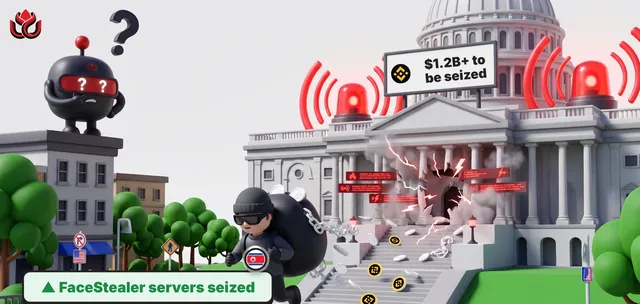
The Justice Department said on Monday, November 23, that it filed a civil forfeiture claim for more than $1.1 billion in Circle's USDC stolen in the October 29 Binance hack, which it attributes to North Korean cyber actors.
Key points
- The Justice Department filed a civil claim seeking forfeiture of more than $1.1 billion in USDC from the Binance theft, which it puts at over $6 billion.
- The USDC was already under a restraining order the government requested. Circle assisted, the department says.
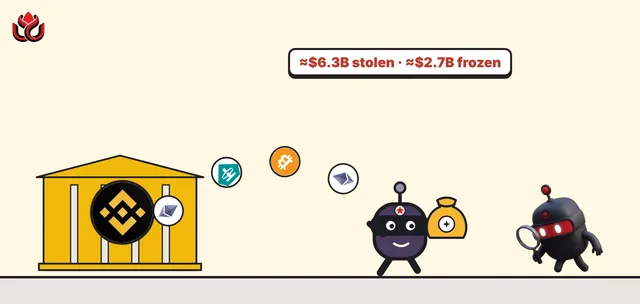
- More than $2.9 billion of the haul has now been frozen, seized or returned with U.S. help. On November 12 the department said more than $2.7 billion had been frozen.
What was filed
In a release dated November 23, 2026, the Justice Department said it filed a civil claim seeking forfeiture of more than $1.1 billion in USDC, the dollar stablecoin issued by Circle. Forfeiture is the legal step that lets the government take ownership of property tied to a crime, so it can later be returned to victims.
The department says the funds were stolen from Binance on or about October 29 by North Korean cyber actors, in a theft of more than $6 billion. The USDC had already been frozen under a restraining order the government asked for. The release does not name the court or say where the tokens sit.
Officials publicly tie the theft to North Korea. In its November 12 release, the department said the FBI calls the North Korean military unit behind it "TraderTraitor." The new release refers to North Korean cyber actors without naming a group.
Who worked the case
The U.S. Attorney's Office for the District of Columbia handles the case, with lawyers from the National Security and Criminal divisions. The FBI, the U.S. Secret Service and IRS Criminal Investigation investigated, and Circle Internet Financial assisted. A Secret Service official said agents worked to freeze stolen funds within minutes of the hack.
The frozen total grows
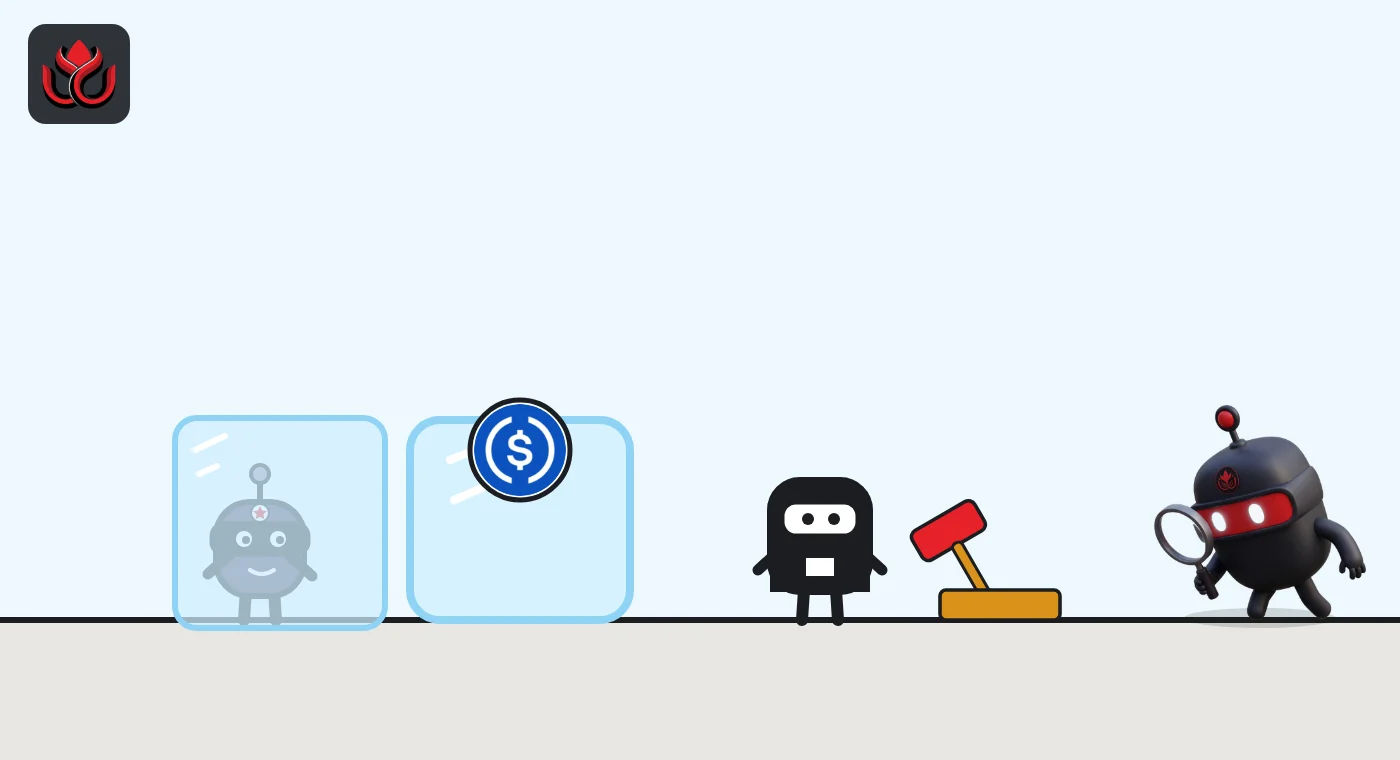
The department says more than $2.9 billion of the stolen assets has been frozen, seized or returned with U.S. help, from several sources. On November 12, its earlier release said more than $2.7 billion had been frozen, and that a court had let it seize or restrain over $1.2 billion of that. That leaves roughly $3 billion of the haul not yet frozen, seized or returned.
The $1.1 billion claim covers only USDC. Circle can freeze USDC at the token level, which blocks the holder from moving it. Other parts of the haul, such as coins without a central issuer, cannot be frozen that way and must be stopped at exchanges or seized from wallets.
Binance hack: stolen vs. frozen, per the Justice Department
US$ billion
Source: U.S. Justice Department, November 23, 2026 and November 12, 2026.
LC Insight analysis
This section is our reading of the facts above, not a statement of fact.
- We think stablecoins are proving the easiest part of a hack to recover, because an issuer like Circle can freeze them. Coins without an issuer are much harder to stop.
- A forfeiture claim is a court process. Victims usually get funds back only after a ruling, so recovery can take months.
- Roughly $3 billion of the haul is still not frozen, seized or returned, so the recovery is about half done at best.
What's next
- The court filing and any claims from third parties.
- How the forfeited USDC is returned to Binance or its users.
- Further freezes of the remaining stolen funds.
Disclaimer. This article is based on public information and the sources listed below as of the update time shown. It is for information only and is not investment, legal or tax advice. Figures may change as companies and authorities publish new data.
Sources
- U.S. Justice Department, Press Release 26-1400: United States Files Action to Recover More Than $1 Billion in Cryptocurrency Assets Stolen by North Korean Cyber Actors in Binance Hack (November 23, 2026)
- U.S. Justice Department, Justice Department Announces Actions to Disrupt North Korea's Massive Theft of Cryptocurrency (November 12, 2026)