

Policy
Laws, regulators and courts shaping crypto, from Washington to Hanoi.

Fed's Waller set a 0.3% test for a half-point hike. October's core CPI hit it
Fed Governor Christopher Waller said a 25 basis point hike in December could hurt the Fed's credibility if core inflation stayed near 0.3%. Hours later, October's core reading came in at 0.3%.
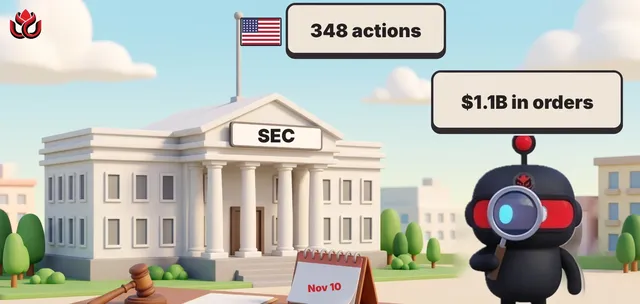
SEC cases fall to 348 from 456 as crypto examples include a $95.6 million mining fraud
The SEC's fiscal 2026 enforcement results, released November 10, show 348 actions and $1.095 billion in ordered money. The crypto cases it highlights are retail frauds, from a $14 million fake platform scheme to an FTX audit case.

Canada proposes barring banks from issuing stablecoins directly. Subsidiaries only
Budget 2026 proposes to bar federally regulated banks, trust companies and insurers from issuing stablecoins themselves. They would have to use a separate non-financial subsidiary that the Bank of Canada supervises.

Hong Kong moves to ban "crypto exchange" in the names of unlicensed firms
The Securities and Futures Commission has concluded its consultation on misleading business names. Any firm calling itself a crypto exchange, virtual asset market or token trading platform would need SFC approval first, six months after the law passes.
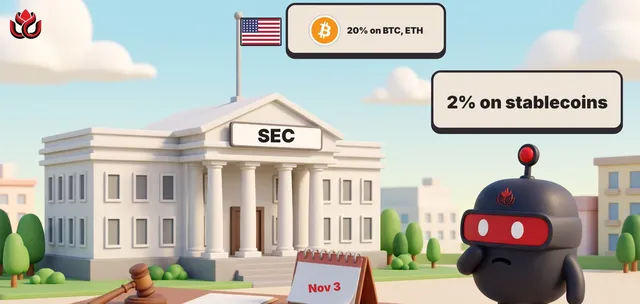
The SEC's crypto capital and records rule for brokers reached the White House on November 3
A proposed SEC rule on how broker-dealers hold capital and keep records for crypto assets reached the White House regulatory office on November 3, 2026. The text is still private. Staff guidance shows where the agency has been heading.
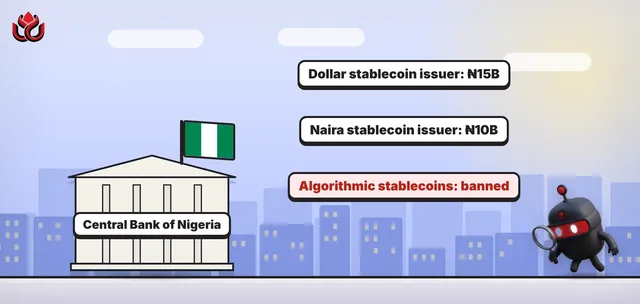
Nigeria sets a ₦15 billion floor for dollar stablecoin issuers and bans algorithmic coins
The Central Bank of Nigeria's new rules say foreign-currency stablecoins can reach Nigerians only through a locally licensed issuer. A foreign license does not count, and peer-to-peer desks need the bank's approval.
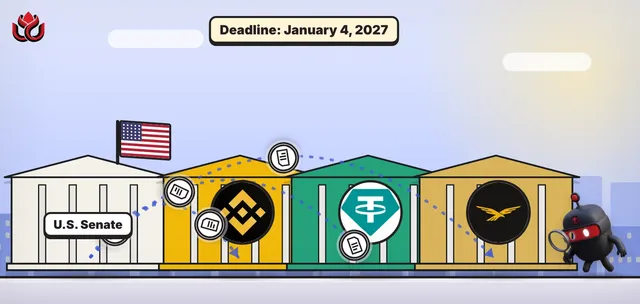
Senator Blumenthal gives Binance, Tether and World Liberty until January 4 to hand over records
Senator Richard Blumenthal says the three crypto firms have produced no records he asked for, some requests going back 18 months. His November 5 letters set a first check-in for November 9 and warn of "alternative measures" after January 4.

Russia lets ordinary investors buy only BTC, ETH and USDT, capped at about $3,665 a year
The Bank of Russia's directive 7441-U, published November 6, 2026, names just three assets that non-qualified investors may buy through a broker, with a yearly limit of 300,000 rubles. It enters into force 10 days after publication.
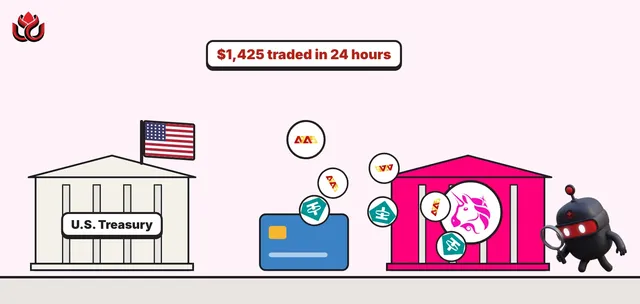
Ruble token A7A5 still trades on Uniswap 15 months after sanctions, for about $1,500 a day
In August 2025, Treasury sanctioned A7A5's issuer along with Garantex and its successor, Grinex. FinCEN's November 6, 2026, MEXC order put new numbers on all three. Public data shows the token still trades in tiny amounts, but it cannot show the transfers between agents.
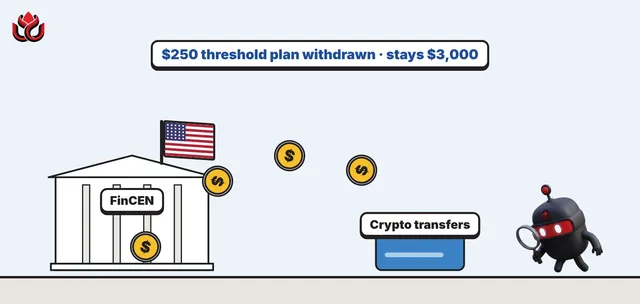
FinCEN and the Fed drop the 2020 plan to cut the travel rule threshold to $250
The 2020 proposal would have lowered the cross-border threshold from $3,000 to $250 and written crypto into the definition of "money." FinCEN pulled it on November 6, 2026.
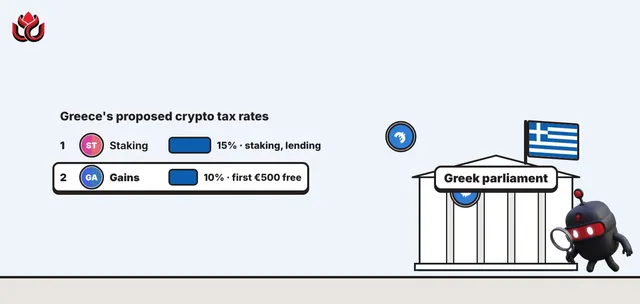
Greece puts a 10% crypto gains tax to a final vote. Staking income would pay 15%
Greece's finance minister brought a bill with dedicated crypto tax rules to a final vote in parliament on November 4. Gains up to 500 euros a year would be tax free.
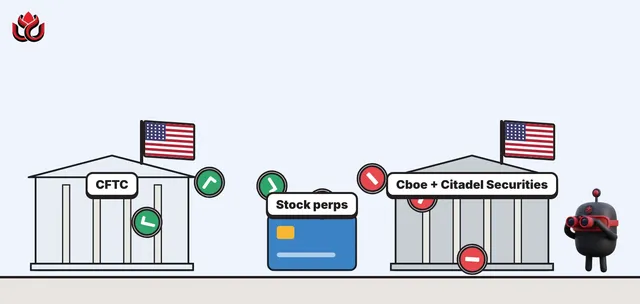
The CFTC cleared perpetual futures on US stocks. Cboe and Citadel filed legal action that day
On November 3, CFTC Chairman Michael Selig said perpetual futures on single US stocks can trade on CFTC-registered exchanges for the first time. The same day, Cboe, Citadel Securities and Healthy Markets Association took legal action to stop it.
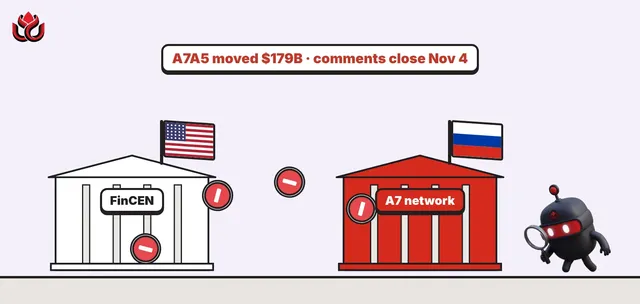
A7A5 stablecoin network moved $179 billion. FinCEN wants US banks and crypto firms out
A Treasury proposal would bar about 347,926 US financial institutions, crypto exchanges included, from moving money for the Russia-linked A7 network's front companies. Public comments close November 4, 2026.
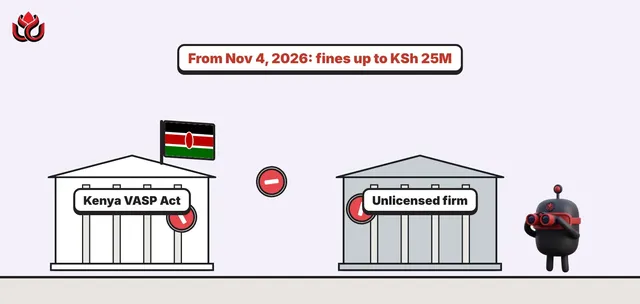
Kenya's crypto grace period ends November 4: KSh 25 million fines for unlicensed firms
Crypto firms already serving Kenya had one year to get licensed under the new VASP Act, and that year ends Wednesday. From November 4, 2026, a company operating without a license risks a fine of up to KSh 25 million.
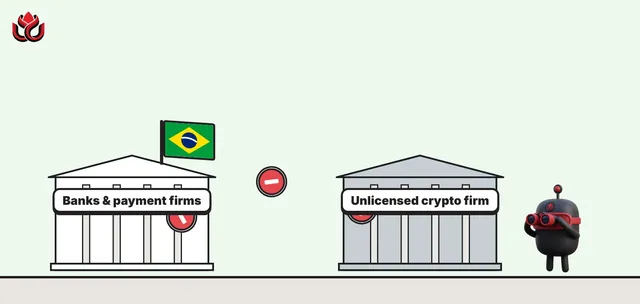
Brazil's crypto license deadline has passed. From November 6, banks must drop unlicensed firms
Crypto firms already operating in Brazil had until October 30, 2026, to file for central bank authorization. From November 6, banks and payment firms may no longer deal with unauthorized providers, and late filers get 30 days at most.
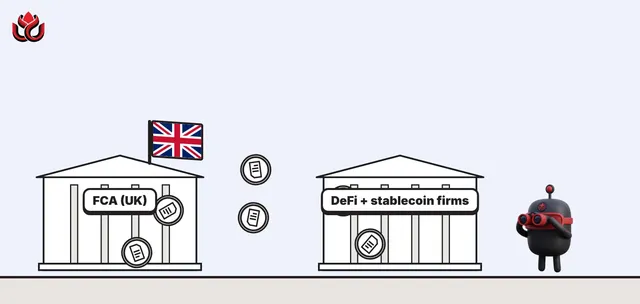
Code is not a shield: the FCA's draft crypto map covers DeFi, comments due November 18
The UK regulator wants views by November 18, 2026, on draft guidance about when DeFi, stablecoin payments, market making and tech services need a license. Using smart contracts does not settle the question on its own.
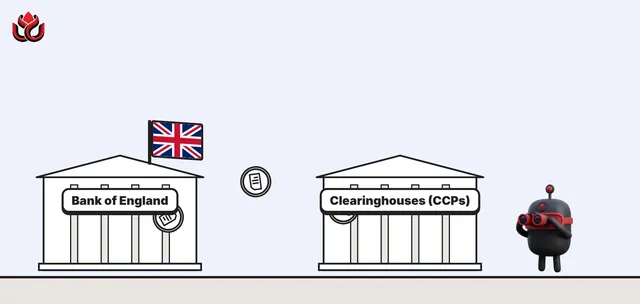
Tokenized gilts as margin? The Bank of England says yes; stablecoins must wait
The Bank of England says clearinghouses can already accept tokenized versions of collateral they take today, and set out what they must check first. Stablecoins, tokenized money funds and tokenized gold get questions, not approval.
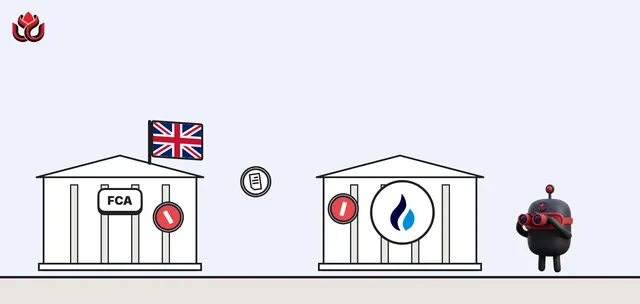
One year in the High Court: HTX settles with the FCA and promises to stop UK ads
HTX, formerly Huobi, has given court-backed undertakings not to unlawfully promote its crypto services to UK consumers, the UK regulator says. The case began in October 2025 and ended with a confidential settlement, no admission of wrongdoing and no announced fine.
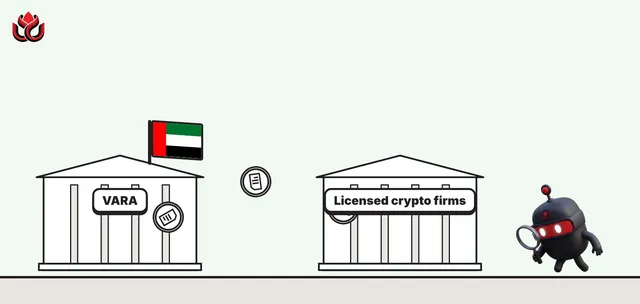
Dubai's VARA reviewed every 2025 reserve report. Now auditors face seven checks
Two VARA circulars in October tell licensed crypto firms what a real reserve audit must prove, and warn that vague website claims like "protected" and "segregated" are not enough.

US sanctions North Korean IT workers in Russia and lists 8 crypto addresses, 5 on Tron
Treasury designated 10 people and a Russia-based center on October 28, 2026, saying they moved crypto for North Korea's IT worker schemes. One Ethereum address appears under two different men.
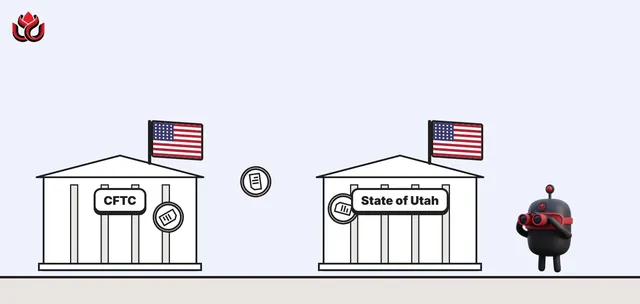
Washington sues Utah: the CFTC's 10th state fight over prediction markets
The US derivatives regulator went to court to stop Utah from shutting down federally registered prediction markets under state law. It is already fighting nine other states, and the outcome decides whether these markets are one national product or 50 local ones.
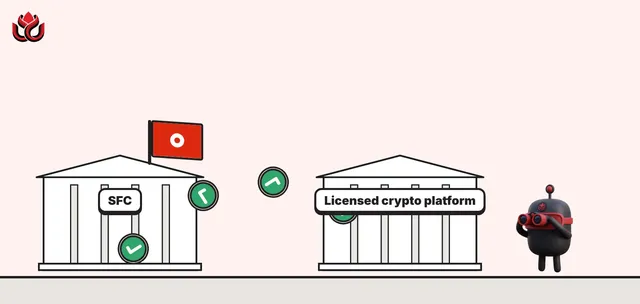
Hong Kong's SFC calls it a world first: tokenized money market funds now trade 24/7
The SFC let two ChinaAMC tokenized funds trade around the clock on a licensed crypto platform. A week later the HKMA moved its own tokenized settlement rail to 24/7 and said regulated stablecoins are next.
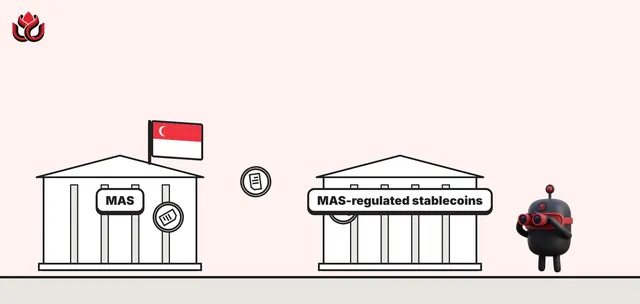
No interest, par redemption, stress tests: Singapore drafts its stablecoin law
MAS wants to ban interest on MAS-regulated stablecoins and recognize a few foreign ones. Seven weeks later, the central banks of Malaysia and Thailand joined its BLOOM project for cross-border digital money.
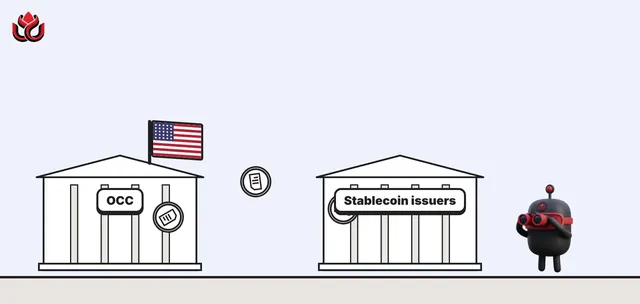
Stablecoin issuers need OCC approval by January 18, 2027. Applications are not open yet
The US bank regulator finalized its GENIUS Act rule on October 21, 2026. Issuing a US payment stablecoin without approval becomes a crime in January, and existing issuers will lean on waivers.
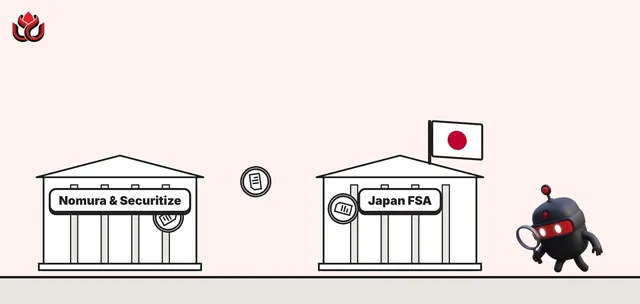
Japan's FSA wants an on-chain finance roadmap by early 2027. Who is at the table?
Japan's Financial Services Agency has opened two new tracks in three weeks: a cross-ministry forum on on-chain finance in the AI era, and a study group on digital and decentralized finance that heard from Nomura and Securitize first.

USDC is the first of 45 EU stablecoins called 'significant.' What changes on November 12?
The European Banking Authority has classified Circle's USDC as a significant e-money token under MiCA, the first in the EU. From November 12, 2026, the EU banking watchdog takes direct charge of the reserves that back it.
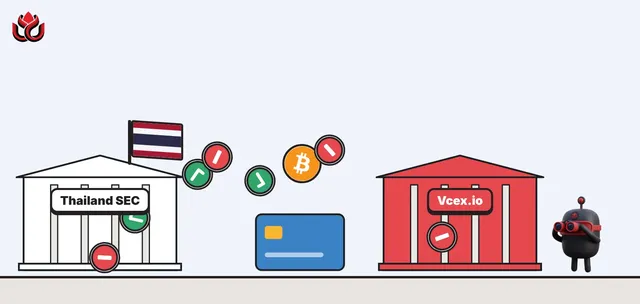
Thailand's SEC: 11 crypto ETF rules, then a block on Vcex.io from November 7
In three October days, Thailand's Securities and Exchange Commission set rules for local Bitcoin and Ethereum ETFs, filed a criminal complaint over the unlicensed Vcex.io exchange and said access to it will be blocked from November 7. The message: use the licensed route or be shut out.
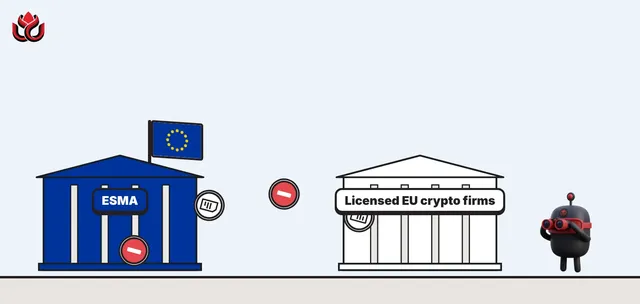
Out by January 8? ESMA tells EU crypto firms to drop non-MiCA stablecoins
The EU's markets watchdog says licensed crypto firms should stop offering stablecoins that break MiCA rules and clear old client positions within three months. Warning customers is not enough.
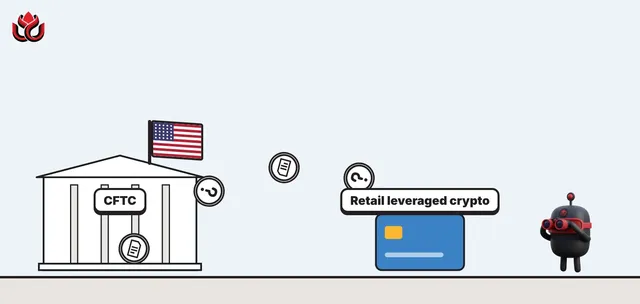
Could Americans trade crypto with leverage at home? The CFTC opens a 60-day consultation
With the CLARITY Act stuck in the Senate, the CFTC on October 5 asked the public how to regulate retail crypto trading on borrowed money at federally registered exchanges. Comments are due around December 12, and nothing is binding yet.
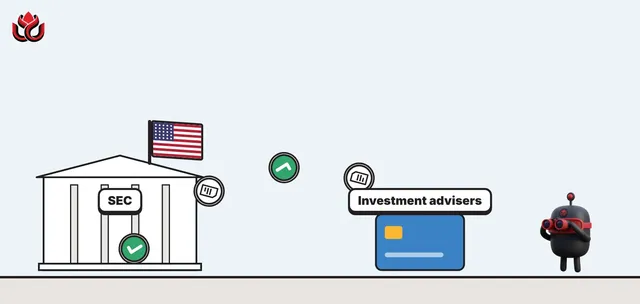
The SEC would let advisers hold client crypto keys, as 'Crypto Mom' Peirce bows out
A new SEC proposal would let investment advisers hold client crypto themselves when no custodian will, and let state trust companies act as custodians. The same day, the agency announced Commissioner Hester Peirce's departure.
UK crypto firms have until February 28 to apply. The FCA says no license is automatic
Every crypto firm that wants to keep serving UK customers after October 25, 2027, now needs full FCA authorization. The window opened on September 30, 2026, and firms that miss its February 28 close risk losing the right to sign up new customers.
Can a token buyback make a coin a security? SEC staff say it hinges on one word
New SEC staff FAQs say a buyback on a working, "functional" network is not a promise of managerial effort. Projects that are not yet functional are warned off marketing buybacks as yield.
The SEC will let tokenized stocks trade in DeFi-style pools for five years. The catch?
A new SEC exemption lets approved onchain venues trade tokenized US stocks through permissioned liquidity pools without registering as exchanges. Companies can veto their own listings, volumes are capped, and only vetted users get in.
Crypto fees of $10 or less could go tax-free as House panel backs bill 38 to 5
The Digital Asset Tax Certainty Act would end tax on small network fees, simplify the tax on dollar stablecoins and bring wash-sale rules to crypto. Congress's own scorekeeper says it raises about $1.5 billion over seven years.

In or out? The FCA's crypto license map landed two weeks before UK firms could apply
Policy statement PS26/18 tells crypto firms which activities will need FCA authorization under the UK's new regime. Firms that miss the February 28, 2027, application deadline may have to stop trading, and one stablecoin question is still open.

Prosecutors say a Robinhood engineer bought Hyperliquid perps before 9 coin listings
Federal prosecutors in Manhattan charged two former Robinhood engineers with fraud, alleging they used secret listing plans to bet on Hyperliquid. Each allegedly made more than $50,000, and both are presumed innocent.
49 to 50: why not one Democrat voted to start debate on the CLARITY Act
The Senate fell 11 votes short of the 60 needed to take up America's crypto market structure bill on September 15. Democrats who backed it in committee said the ethics rules for the president were too thin.
Vietnam's crypto fines are live: up to VND 200 million for firms, a reprieve for traders
Decree 284/2026/ND-CP took effect on September 1, with fines for unlicensed exchanges, crypto advertising, weak identity checks and data leaks. For ordinary investors who trade on offshore exchanges, the Ministry of Finance says fines only start six months after the first local provider is licensed, and none had been by early October.