

Guides
Plain-English explainers: what crypto projects, products and rules are, how they work and where the risks are.
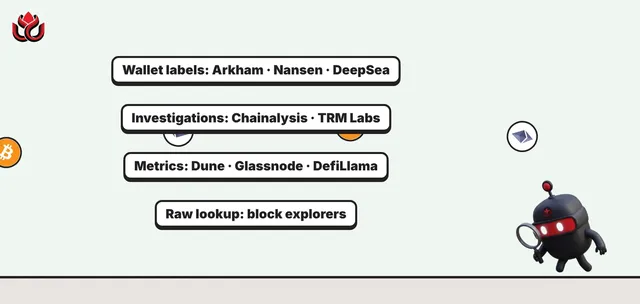
What 9 on-chain analytics tools are built for, from block explorers to compliance suites
Arkham, Nansen, Chainalysis, TRM Labs, Dune, Glassnode, DefiLlama, block explorers and DeepSea all read public blockchain data, but each is built for a different job. Here is what each one does, what is free and who uses it, from each tool's own site.

What is a rug pull? How crypto exit scams work and 6 warning signs to check
A rug pull is when a project's own insiders take buyers' money and walk away, by draining the pool, printing tokens through a backdoor or dumping their supply. Most of the warning signs are public on-chain before you buy.
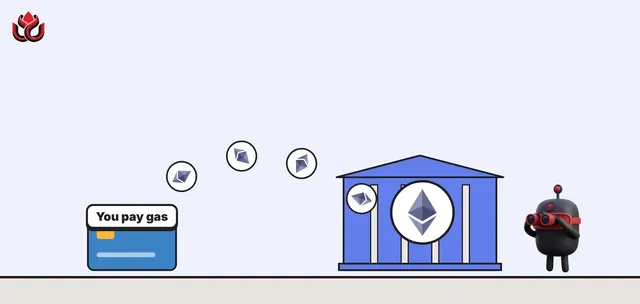
What is a gas fee? How Ethereum fees work, who gets paid and why they spike
A gas fee is what you pay Ethereum to run a transaction: gas used times the base fee plus an optional tip. The base fee is burned, the tip goes to the validator, and the price can climb 12.5% a block when the network gets busy.
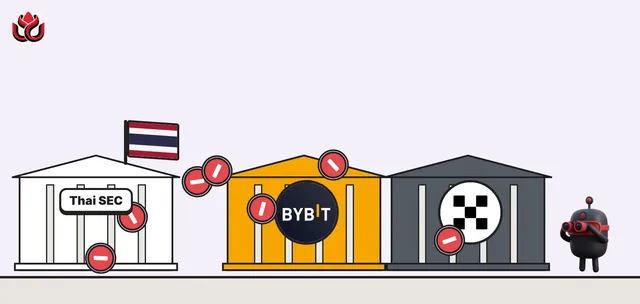
Thailand crypto rules explained: licenses, the Bybit and OKX blocks, and tax
Any crypto exchange, broker or dealer serving people in Thailand needs a Thai SEC license, and since April 2025 offshore platforms with Thai features can be blocked. Bybit, OKX and three others were named for blocking from June 28, 2025. Here is what that means for users, payments and tax.
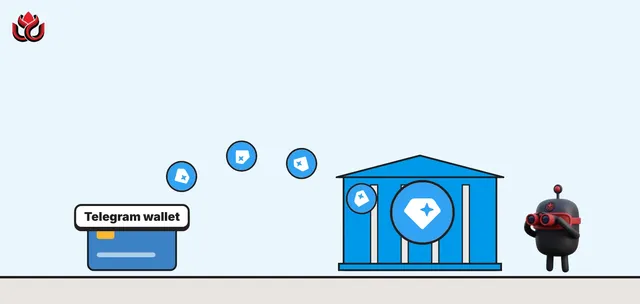
What is TON? Telegram's blockchain explained, and why Toncoin is now Gram
TON (The Open Network) is a proof-of-stake blockchain wired into Telegram, with a wallet built into the messenger. Its coin, long called Toncoin, now trades as Gram (GRAM), and that rename is the first thing a new user can trip over.
What is Bitcoin? How it works, why only 21 million exist and the risks
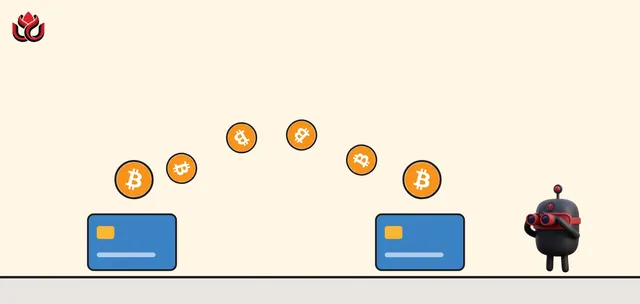
Bitcoin is a digital currency that moves directly between users on a public network, with no bank or company in the middle. Miners secure it with computing power, its supply is capped at 21 million coins, and BTC traded near $77,323 as of November 2, 2026.
What is staking? How proof-of-stake rewards work and how you can lose money
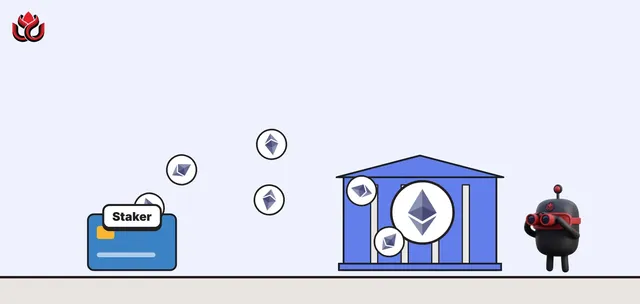
Staking means locking tokens to help run a proof-of-stake blockchain, in return for rewards paid in that token. The stake is collateral: validators that go offline lose a little, and on Ethereum those that break the rules can be slashed.
What is Chainlink? How DeFi gets its prices, plus CCIP and LINK staking
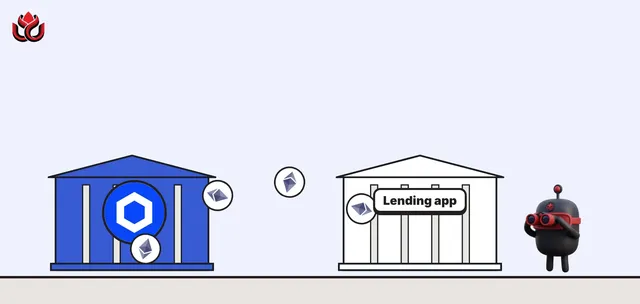
Smart contracts cannot see the outside world, so lending apps rely on oracles like Chainlink to tell them what ether is worth. Chainlink also moves tokens between chains through CCIP, and LINK pays and backs the node operators who do the work.
What is Ethereum? How the global computer works, what ETH does and the risks
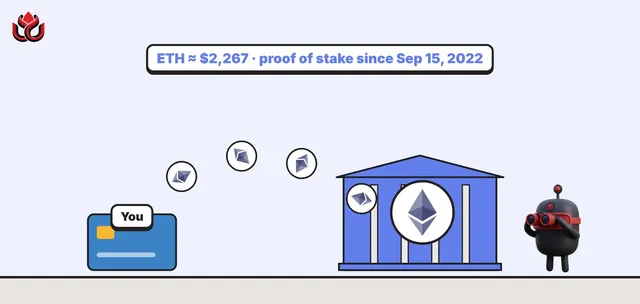
Ethereum is a public blockchain that runs programs called smart contracts, and ether (ETH) is the coin that pays for using it and secures it through staking. It launched in July 2015, switched from mining to proof of stake on September 15, 2022, and ETH traded near $2,267 as of November 2, 2026.
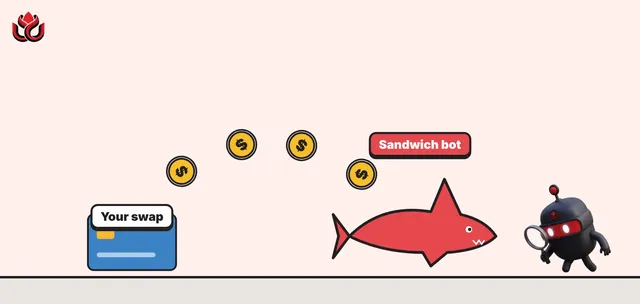
What is MEV? How sandwich bots profit from your swap, and how to cut the risk
MEV, or maximal extractable value, is the profit made by choosing which transactions go into a block and in what order. Some of it keeps prices in line across exchanges. Sandwich attacks take it straight out of ordinary traders' swaps.
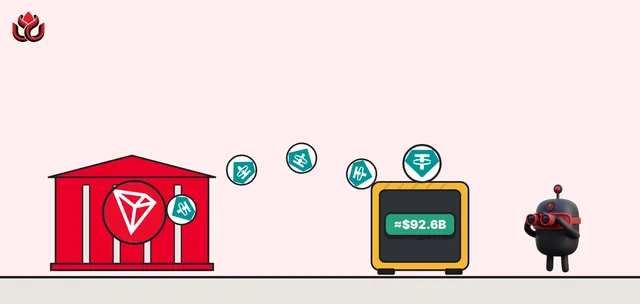
What is TRON? How the chain holding $92.6 billion of USDT really works
TRON is the blockchain where more of Tether's USDT lives than anywhere else: about $92.6 billion on November 2, 2026, per DefiLlama. Here is how its energy and bandwidth fees work, and why 27 elected block makers decide the rules.
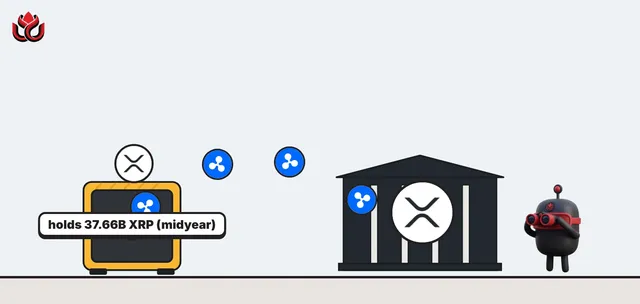
What is the XRP Ledger? How XRP works with no mining, and what Ripple holds
The XRP Ledger has run since 2012 and settles a new ledger every 4 to 6 seconds without mining. XRP is its coin, Ripple is a company that does not own it but reported holding 37.66 billion XRP at midyear, and RLUSD is Ripple's stablecoin on it.
What is BNB Chain? Three chains, 21 block makers and 0.45-second blocks
BNB Chain is three blockchains that all run on BNB: BNB Smart Chain (BSC) for apps, the cheaper layer 2 opBNB and the storage network Greenfield. Its speed comes from a small club: just 21 validators make BSC's blocks at any one time.
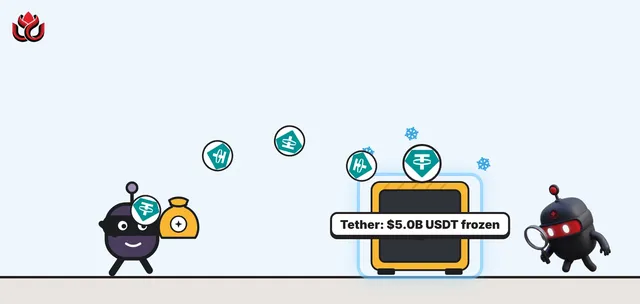
How stolen crypto is traced and frozen, and why thieves dump stablecoins fast
Every blockchain transfer is public, so investigators can follow stolen funds hop by hop. Money can be stopped in two places: stablecoin issuers like Tether and Circle can freeze tokens on-chain, and exchanges can lock accounts when stolen funds arrive.
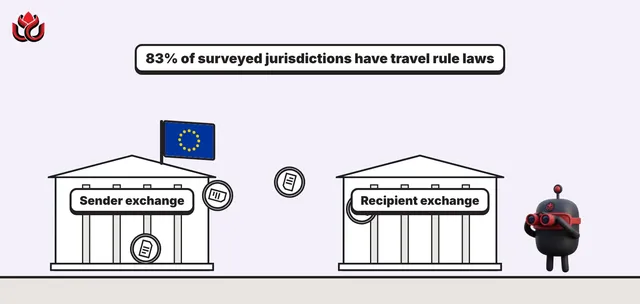
Crypto travel rule explained: what exchanges must send with your transfer
The travel rule requires crypto exchanges and other providers to send the sender's and recipient's details along with a transfer, as banks do with wires. In the EU it applies to every crypto transfer regardless of amount, and 83% of jurisdictions surveyed by the FATF have passed travel rule laws.
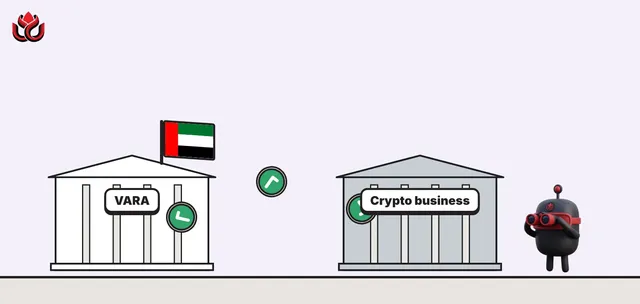
Dubai VARA crypto rules explained: who needs a license and what it covers
In Dubai, crypto businesses need a license from the Virtual Assets Regulatory Authority (VARA), which covers the emirate's mainland and free zones except the DIFC. VARA licenses seven activities, from exchanges to custody, and regulates token issuance and crypto marketing.
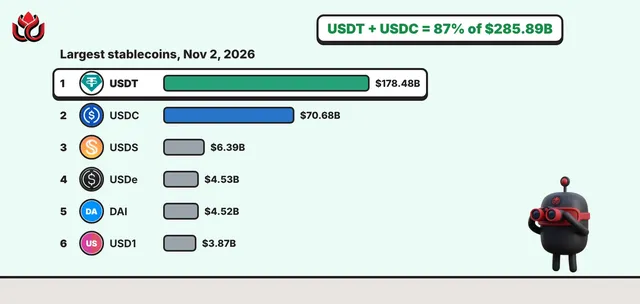
Stablecoins explained: USDT vs. USDC, the two coins that hold 87% of the market
Stablecoins are tokens built to stay worth $1, backed by reserves such as cash and short-term US government debt. As of November 2, 2026, Tether's USDT ($178.48 billion) and Circle's USDC ($70.68 billion) made up about 87% of a $285.89 billion market, per rwa.xyz.
What is Sui? The object-based blockchain that says it settles in 390 ms
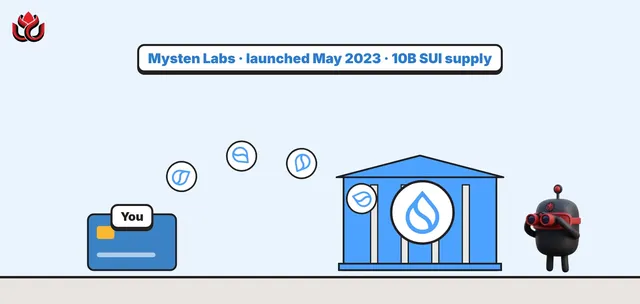
Sui is a layer-1 blockchain from Mysten Labs, founded by former Meta engineers, that launched in May 2023. It stores everything as objects with clear owners, runs smart contracts in Move and, by Sui's own figure, settles transactions in roughly 390 milliseconds. SUI has a 10 billion total supply.
Copy trading explained: how it works, what lead traders take and why results differ
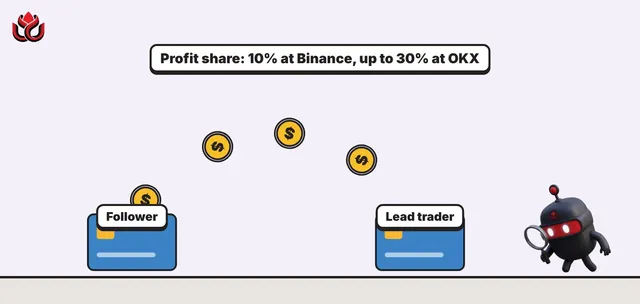
Copy trading lets you automatically mirror another trader's positions on an exchange, in return for a share of any profit. Your results can differ from theirs because of order size, slippage and timing, and regulators warn it can encourage herd behavior and frequent trading.

Seed phrase and hardware wallet safety: the words that guard your crypto
Your seed phrase is the master key to your wallet: anyone who sees it can take everything, and if you lose it, nobody can restore it. A hardware wallet keeps keys offline, but only if the phrase stays offline too and the device is genuine.
What is DeepSea (desea.io)? The onchain app that labels wallets and tracks flows
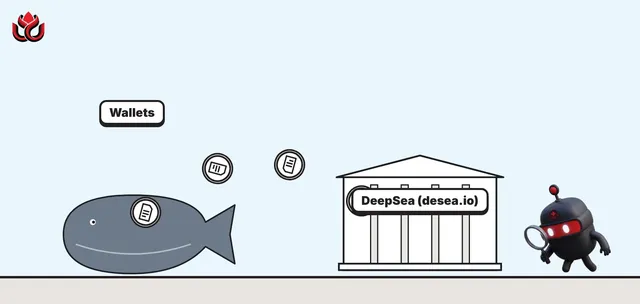
DeepSea (desea.io) is a web app that labels crypto wallets and tracks what smart money, influencers, whales, exchanges and hackers do onchain. It is run by DeepTek Ltd, and its own terms say the data is information only, not financial advice.
Japan crypto rules explained: FSA registration, 95% cold storage and 2x leverage
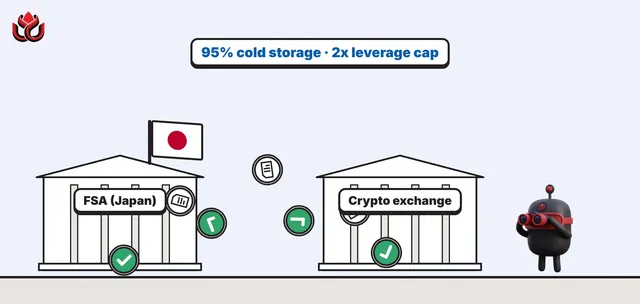
Crypto exchanges in Japan must register with the Financial Services Agency under the Payment Services Act, keep at least 95% of customer coins offline, and cap retail leverage at 2x. A 2026 government bill would revise the rules again, borrowing from securities law.
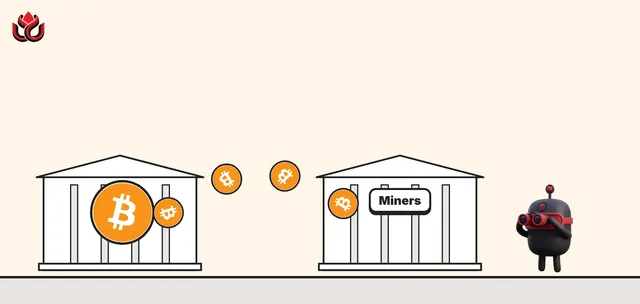
Bitcoin mining and hashrate explained: difficulty, hashprice and data sources
Bitcoin miners race to find a block hash below a target, and every 2,016 blocks (about two weeks) the network resets the difficulty so blocks keep coming about every 10 minutes. Hashrate, the total guessing power, cannot be measured directly; it is estimated from difficulty and block times.
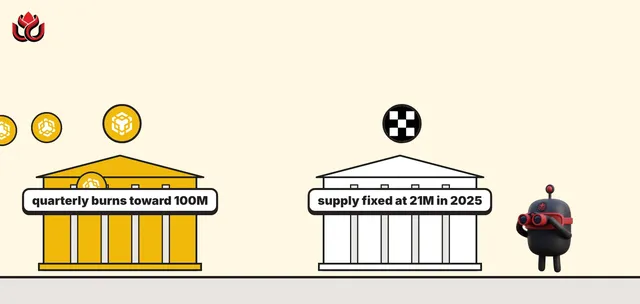
What are exchange tokens? BNB keeps burning, OKB froze its supply at 21M
Exchange tokens are coins tied to a crypto exchange that give holders perks on the platform and pay gas on the exchange's own blockchain. BNB shrinks through quarterly burns toward 100 million; OKB's supply was fixed at 21 million in 2025. Both stay tied to one company.
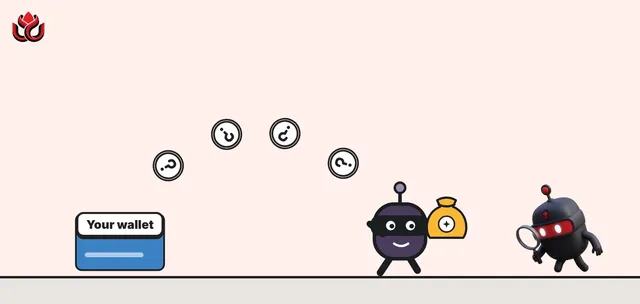
What is address poisoning? The copy-paste scam hiding in your wallet history
Address poisoning is a scam where an attacker plants a lookalike address in your transaction history and waits for you to copy it. No hacking is needed, only a tiny or fake transfer and a hurried user, and the payment cannot be reversed.
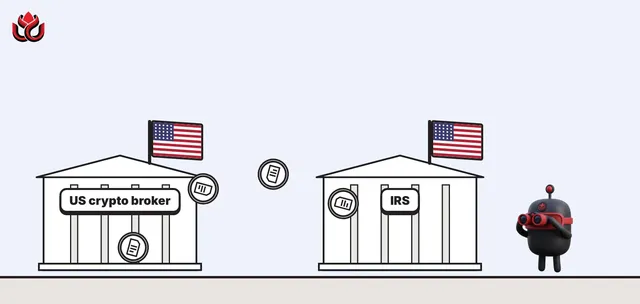
Crypto taxes in the US: Form 1099-DA explained, from proceeds to cost basis
Form 1099-DA is the IRS form US crypto brokers use to report your sales. It shows gross proceeds for sales from 2025 and adds cost basis for certain sales from 2026, but you must report all crypto gains and income whether or not you get one.
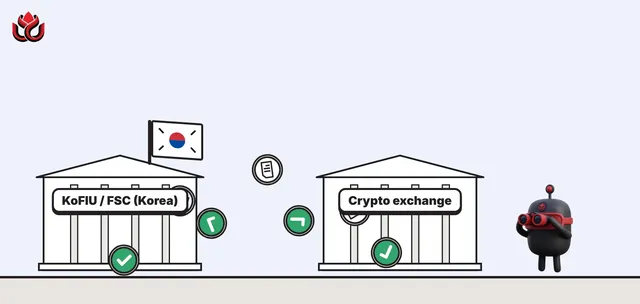
South Korea crypto rules explained: cold wallets, bank-held cash and jail terms
Crypto exchanges in South Korea must register with the Financial Intelligence Unit and, since July 19, 2024, follow the Virtual Asset User Protection Act: customer cash held at banks, most coins in cold wallets, and prison terms for market manipulation.

FDV vs market cap: how to read a token's supply, with HYPE's 4x gap as a guide
Market cap is price times the tokens circulating today. Fully diluted valuation (FDV) is price times the whole supply, including locked tokens. The gap between them shows how much supply is still to come.
How to check and revoke token approvals before an old one drains your wallet
Look up your wallet address in an approval checker such as Etherscan's Token Approvals page or Revoke.cash, find spenders you no longer use or do not recognize, and revoke them. Each revoke is an on-chain transaction, so it costs a small network fee.
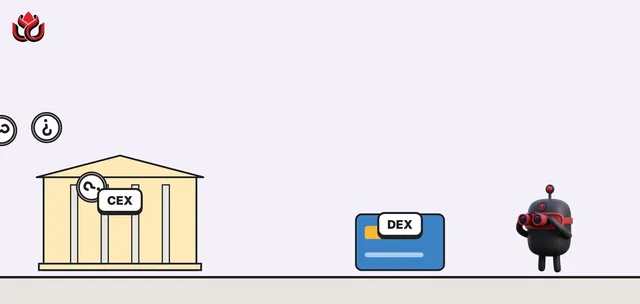
CEX vs DEX explained: who holds your crypto, and what can go wrong
A centralized exchange (CEX) is a company that holds your coins and matches orders in an order book; a decentralized exchange (DEX) is blockchain software that lets you swap from your own wallet against a pool of tokens. The real trade-off is custody: convenience and support on one side, control and responsibility on the other.
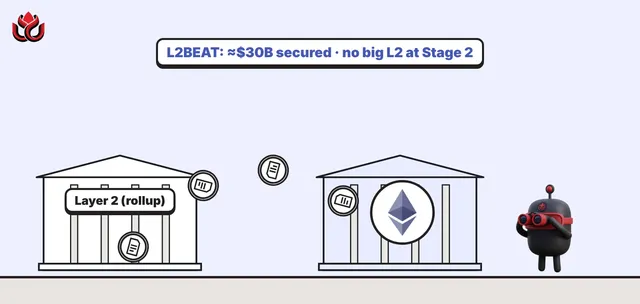
What is a layer 2? Rollups, proofs and why no big L2 is Stage 2 yet
A layer 2 is a separate blockchain that runs transactions cheaply and settles them on Ethereum, using fraud proofs or validity proofs to show its state is correct. L2BEAT tracks about $30 billion in L2s, and its Stages show how much control each team still holds.
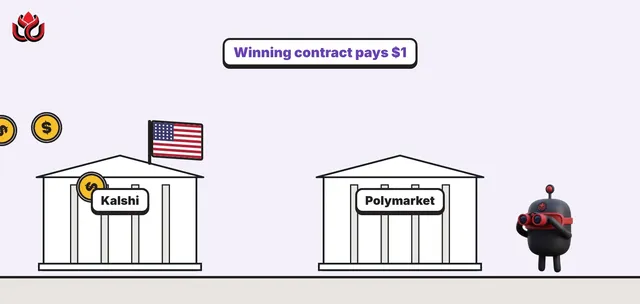
Prediction markets explained: how Kalshi and Polymarket work, and the real risks
A prediction market lets people trade contracts that pay $1 if an event happens and $0 if it does not, so prices read like odds. Kalshi is a CFTC-regulated US exchange; most Polymarket markets settle on chain through the UMA oracle.
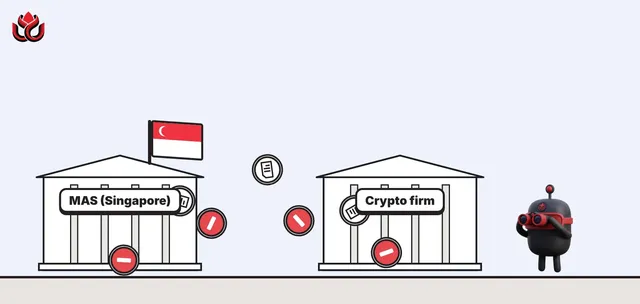
Singapore crypto rules explained: who needs a MAS license, and who won't get one
Crypto firms serving customers in Singapore need a license from the Monetary Authority of Singapore, mainly under the Payment Services Act 2019. Since June 30, 2025, Singapore firms that serve only overseas customers also need a license, and MAS says it will generally not grant one.
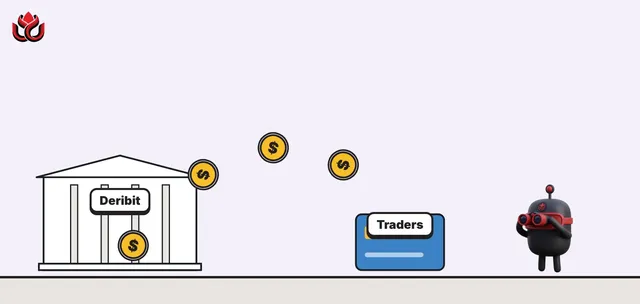
Crypto options expiry and max pain explained: what happens at 3 a.m. ET
Crypto options on Deribit, a major options exchange, expire at 3 a.m. ET (4 a.m. ET during daylight saving time) and settle in cash against a 30-minute average of an index price. Max pain is the strike price at which the most option value would expire worthless, a number traders watch but one that does not control the price.

Token unlocks explained: cliffs, vesting and why unlocked does not mean sold
A token unlock is when tokens locked at launch, usually for the team, investors or a treasury, become free to move. Unlocks add to circulating supply and dilute holders, but an unlocked token is not a sold one: Hyperliquid insiders claimed far less HYPE than they could.
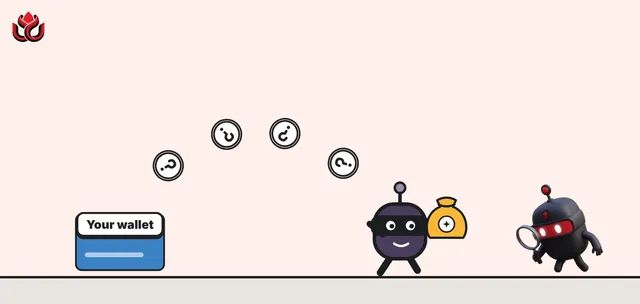
What is a wallet drainer? How one signature can empty your crypto wallet
A wallet drainer is a scam kit that tricks you into signing an approval or permit that lets the attacker move your tokens. Your seed phrase never leaves your hands: your own signature does the damage, sometimes days later.
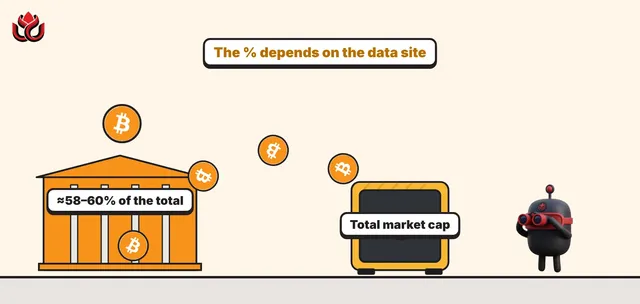
Bitcoin dominance and crypto market cap explained: why sites say 58% or 60%
Total crypto market cap adds up the market value of every tracked coin, and bitcoin dominance is bitcoin's share of it. As of November 2, 2026, the total was about $2.6 trillion to $2.7 trillion and bitcoin's share about 58% to 60%, depending on the data site.
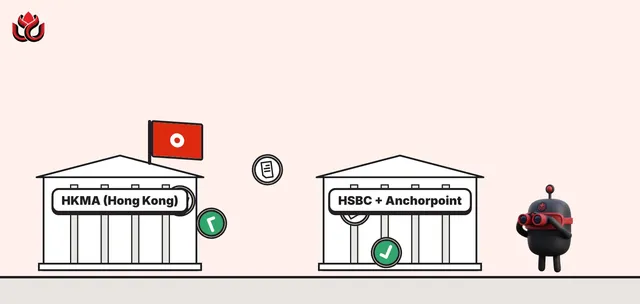
Hong Kong crypto licensing explained: SFC exchange rules, 2 of 36 stablecoin bids
In Hong Kong, crypto exchanges need a license from the Securities and Futures Commission, and anyone issuing a fiat-backed stablecoin needs one from the Hong Kong Monetary Authority. Only two stablecoin issuers had been licensed as of April 2026: HSBC and Anchorpoint Financial.
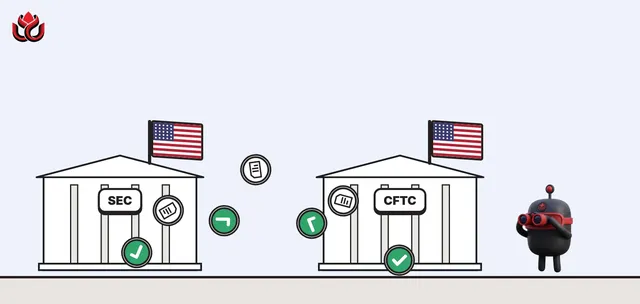
SEC vs. CFTC: who regulates crypto in the US, and where the line now falls
The SEC oversees crypto that counts as a security, and the CFTC oversees commodities like bitcoin and ether plus derivatives on them. Since March 2026, the two agencies share an interpretation that says most crypto assets are not securities.
Binance Launchpool and HODLer Airdrops explained: how BNB holders earn new tokens
Launchpool pays a new token hour by hour to people who lock BNB or stablecoins; HODLer Airdrops pay one after the fact to people who held BNB in Simple Earn during a past window. Both depend on your share of a pool, and both carry price risk.
Ethereum roadmap explained: Pectra, Fusaka and why Glamsterdam has no date
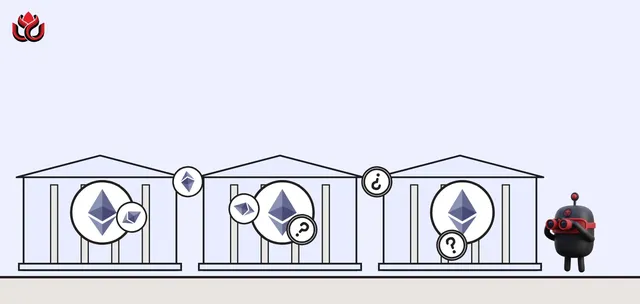
Ethereum upgrades through named hard forks. Pectra went live on May 7, 2025, and Fusaka on December 3, 2025. Glamsterdam, the next one, is live on the Sepolia testnet but was pulled from Hoodi in October 2026, and as of November 2, 2026, it has no mainnet date.
Tokenized Treasuries explained: BUIDL, USDY and the $14.2B T-bill market
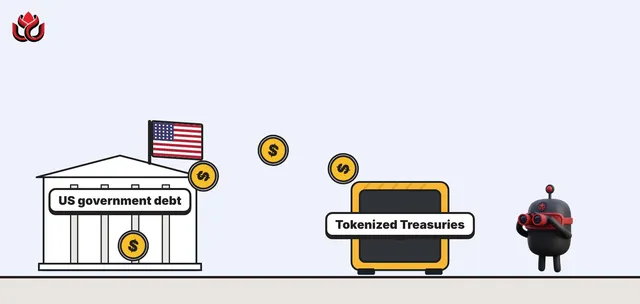
Tokenized Treasuries are blockchain tokens that stand for shares in funds holding US government debt, and unlike most stablecoins they pay interest. As of November 2, 2026, rwa.xyz counted $14.21 billion across 119 products, led by Ondo's USDY, Circle's USYC and BlackRock's BUIDL.
What is a TGE? Token launch day explained, and why most supply stays locked
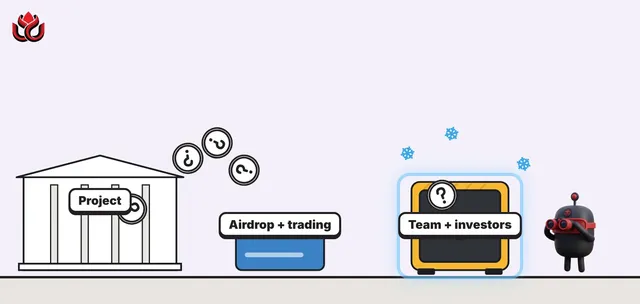
A TGE, or token generation event, is the moment a crypto project creates its token and the first slice starts to circulate. Airdrop claims and trading usually begin then, while team and investor tokens stay locked for months or years.
Bitcoin halving explained: what it is, when the next one is and why it matters
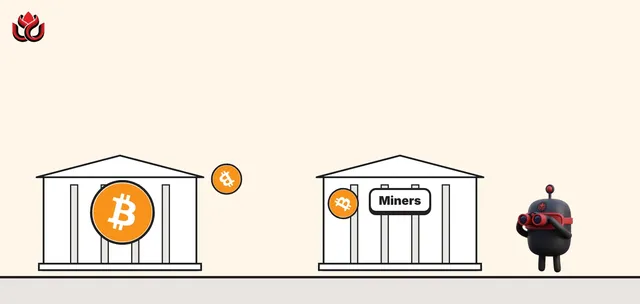
The bitcoin halving is a rule in bitcoin's code that cuts the reward for mining a new block in half every 210,000 blocks, about every four years. The last one happened on April 20, 2024, at block 840,000. The next is due at block 1,050,000, expected around spring 2028.
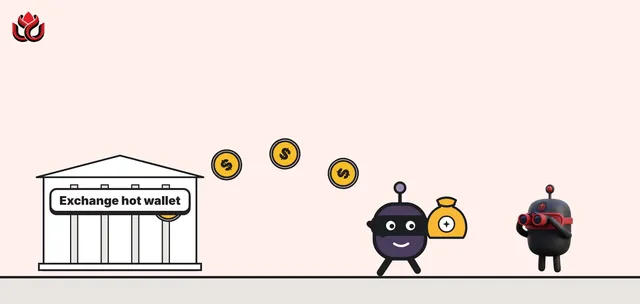
How crypto exchange hacks happen: the weak spot is rarely the key itself
Most exchange hacks start in hot wallets, the online wallets that pay out withdrawals. Attackers rarely break the cryptography. They get into the systems and people that approve transactions, then rush to swap stablecoins before issuers can freeze them.
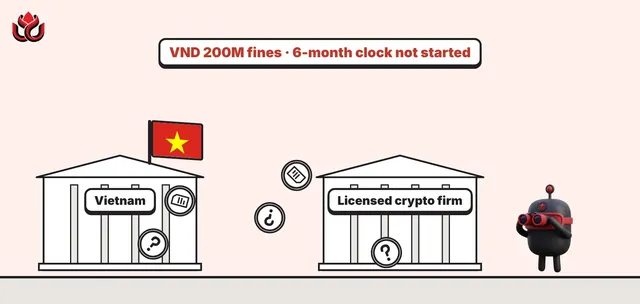
Vietnam crypto law explained: 5 licenses, VND 200M fines and a 6-month clock
Crypto is legally defined in Vietnam, and a five-year pilot lets up to five licensed local firms run crypto markets. As of the latest official update on October 6, 2026, no provider had been licensed, so the six-month countdown for investors using unlicensed platforms has not started.
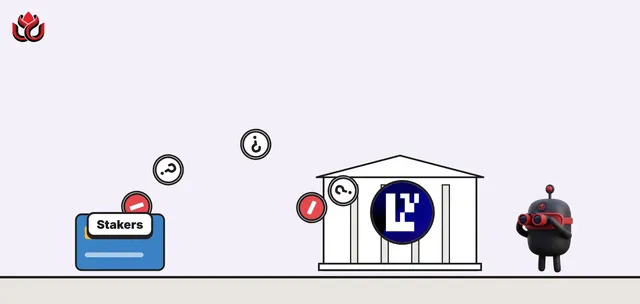
What is restaking? EigenLayer explained, from extra rewards to slashing risk
Restaking lets stakers put the same stake to work securing extra services for extra rewards. EigenLayer is the main protocol for it: stakers deposit assets, operators run the services, and those services can slash stake when rules are broken.
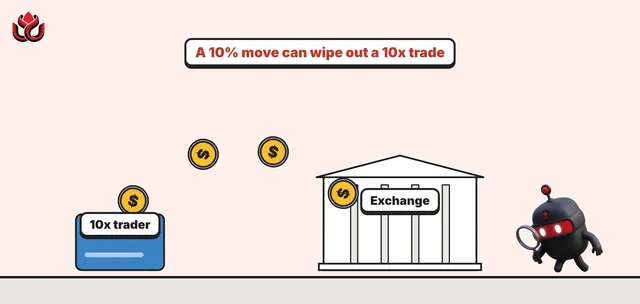
How crypto liquidations work: why a 10% move can wipe out a 10x trade
A liquidation is when an exchange force-closes a leveraged trade because losses have eaten through the trader's collateral. It protects the exchange and other traders from debts the trader cannot pay.
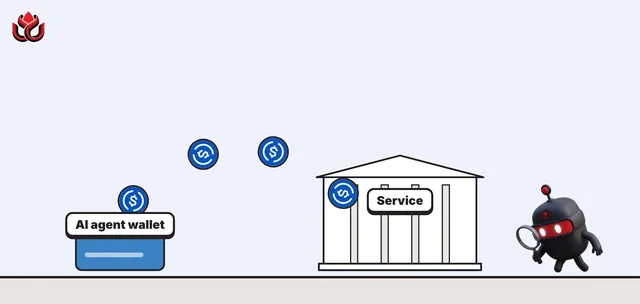
AI agents in crypto explained: how bots get wallets and pay, and what can go wrong
An AI agent is software that takes actions on its own, not just answers questions. In crypto, agents hold wallets and pay for things in stablecoins, often through the x402 protocol, with spending limits their owners may or may not switch on.
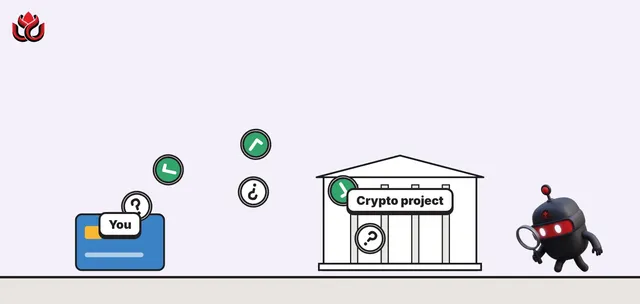
What are points programs in crypto? How they work and why points are not tokens
A points program scores what users do on a crypto product, such as deposits, trades or referrals, and usually hints that points will later become tokens. Points are not tokens: the project decides if, when and how they convert.
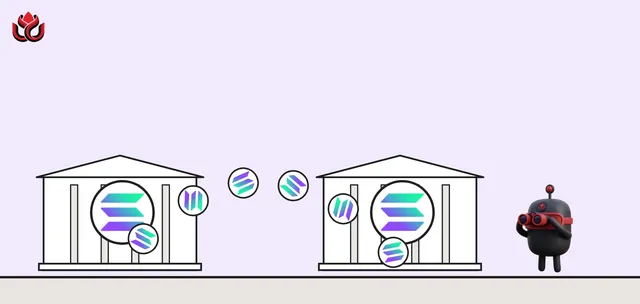
What is Solana? Alpenglow explained, from 12.8-second finality to a 150 ms goal
Alpenglow is Solana's new consensus protocol. Its first part, Votor, went live on mainnet on October 21, 2026, replacing TowerBFT and cutting the time for a transaction to become final from about 12.8 seconds to a target of about 150 milliseconds.
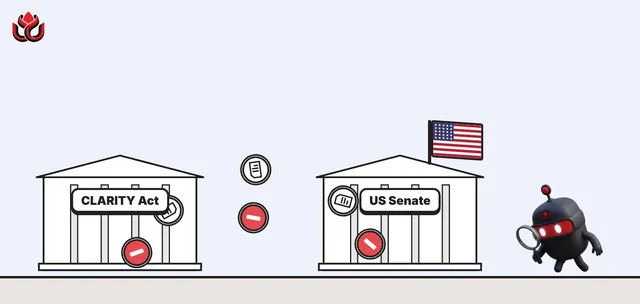
CLARITY Act explained: what the crypto market bill would do and why it stalled
The CLARITY Act, H.R. 3633, would write into law which crypto assets and platforms the SEC oversees and which fall to the CFTC. As of November 2, 2026, it is stuck in the Senate after a 49 to 50 vote to start debate failed on September 15.
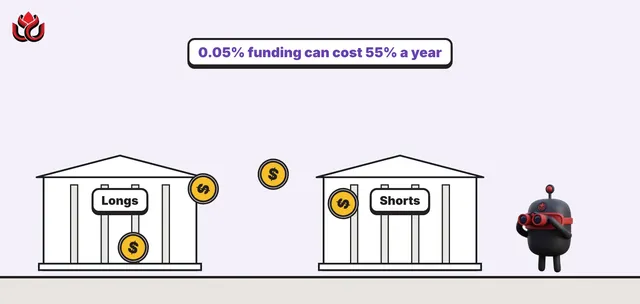
Perpetual futures funding rates explained: how 0.05% can cost 55% a year
A funding rate is a small payment that traders of perpetual futures make to each other to keep the contract's price close to the real market price. When it is positive, longs pay shorts. When it is negative, shorts pay longs.
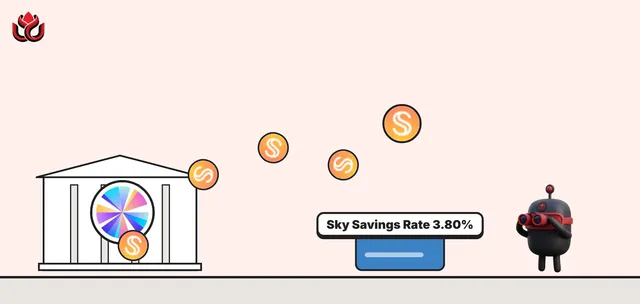
What is Sky Protocol and USDS? The former MakerDAO and its 3.80% savings rate
Sky is the protocol formerly known as MakerDAO. It issues USDS, a dollar stablecoin, and sUSDS, a savings token that earned the Sky Savings Rate of 3.80% shown on Sky.money on November 2, 2026, a rate set by vote and not guaranteed.
How crypto airdrops work, and how to spot the scams that copy them
An airdrop is a free drop of tokens to wallets, usually as a reward for early users. Real airdrops never ask for your seed phrase. Most scams instead trick you into signing a transaction on a fake claim site.
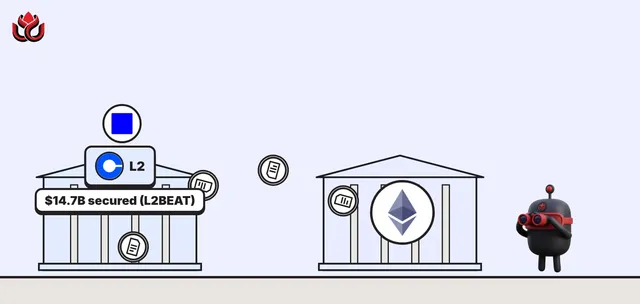
What is Base? How Coinbase's $14.7B layer 2 works and who can change it
Base is an Ethereum layer 2, an optimistic rollup built with the OP Stack, and the biggest by value: about $14.7 billion secured as of November 2, 2026, per L2BEAT. It runs transactions cheaply, posts the data to Ethereum, and a Coinbase multisig holds one of its two upgrade keys.
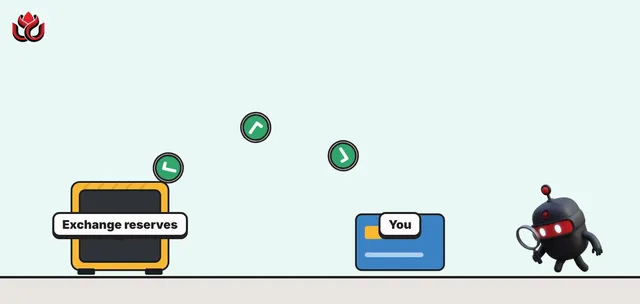
What is proof of reserves? What it proves about exchanges, and what it misses
Proof of reserves is a public check that an exchange holds at least as much crypto as its customers have deposited. Merkle trees or zero-knowledge proofs let you confirm your balance was counted, but it is a one-day snapshot, not proof the company is solvent.
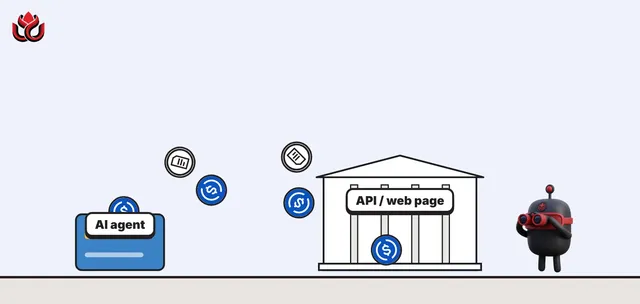
What is x402? The HTTP payment protocol that lets AI agents pay per request
x402 is an open protocol that uses the web's "402 Payment Required" status code so apps and AI agents can pay for an API call or a web page in stablecoins, inside the request itself, with no account or card form.
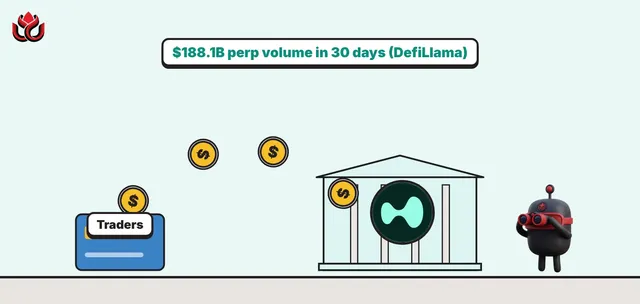
What is Hyperliquid? How the $188B-a-month onchain perps exchange works
Hyperliquid is a blockchain built for trading. Its HyperCore engine runs perpetual futures and spot order books fully onchain, and DefiLlama showed $188.1 billion of perp volume in the 30 days to November 2, 2026.
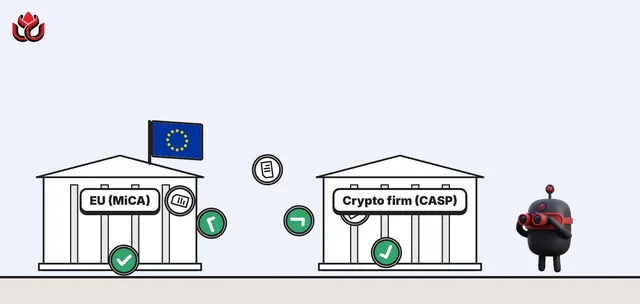
MiCA explained: the EU crypto law, CASP licenses, stablecoin rules and key dates
MiCA is the EU's rulebook for crypto: firms that offer crypto services need a license from a national regulator, and stablecoins face strict reserve and supervision rules. It has applied in full since December 30, 2024, and the last transition window closed on July 1, 2026.
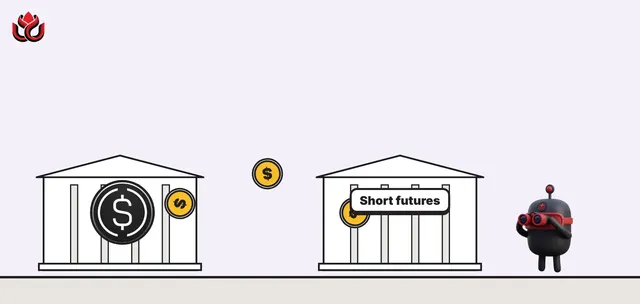
What is Ethena USDe? How the hedged synthetic dollar works and what can break it
USDe is Ethena's synthetic dollar. It is backed by crypto and stablecoins, with the crypto's price risk canceled out by short futures, and its staked version, sUSDe, earns from that trade until funding rates turn against it.
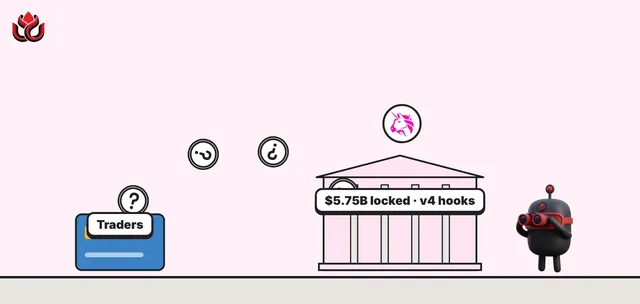
What is Uniswap? How the $5.75B DEX works, from AMM pools to v4 hooks
Uniswap is a decentralized exchange where people swap tokens against pools of liquidity instead of an order book. DefiLlama counted about $5.75 billion locked in it on November 2, 2026, and its newest version, v4, lets developers attach custom code called hooks to each pool.
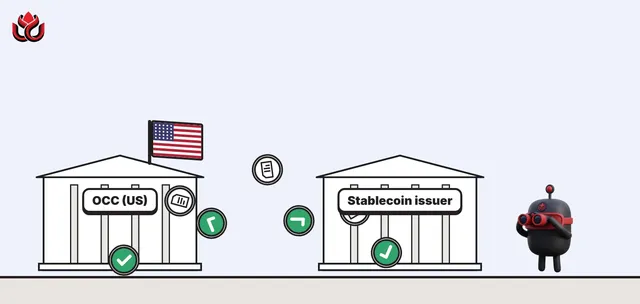
GENIUS Act explained: what the US stablecoin law requires and who enforces it
The GENIUS Act is the US federal law for payment stablecoins. It requires full reserves, quick redemption and no interest for simply holding a token, and it takes effect on January 18, 2027, under the OCC's final rule.
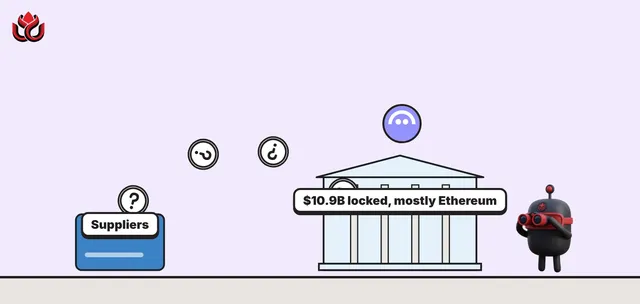
What is Aave? How the $10.9B DeFi lending protocol works and what can go wrong
Aave is a set of smart contracts where people supply crypto to earn interest and borrow against collateral, with no bank in the middle. As of November 2, 2026, DefiLlama counted about $10.9 billion locked in it, most of it on Ethereum.