

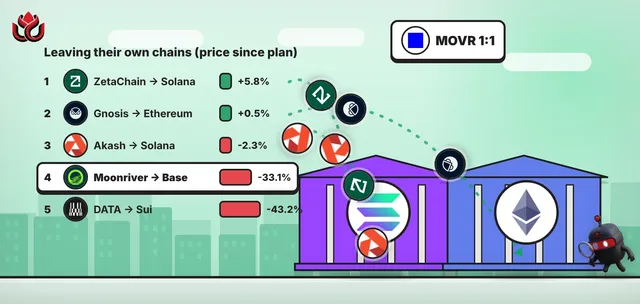
6 crypto projects are giving up their own chains for Solana, Ethereum, Base, Sui and Arc
A table of nine "chain migrations" is going viral. We checked each row against the projects' own posts: six are confirmed, three are not. Here is where each one is going and what its token did since.
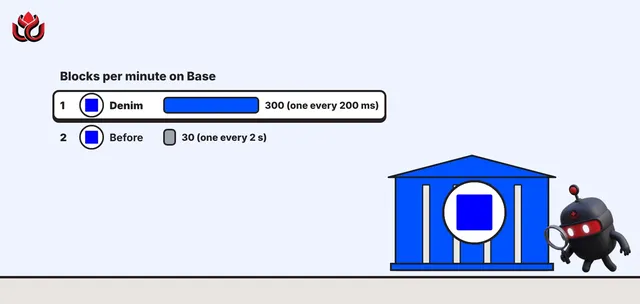
Base now aims for five blocks a second. What does the Denim upgrade break for apps?
Base's Denim upgrade was set to switch mainnet from one block every 2 seconds to one every 200 milliseconds on November 5. Anything that counts blocks to measure time now runs 10 times faster.
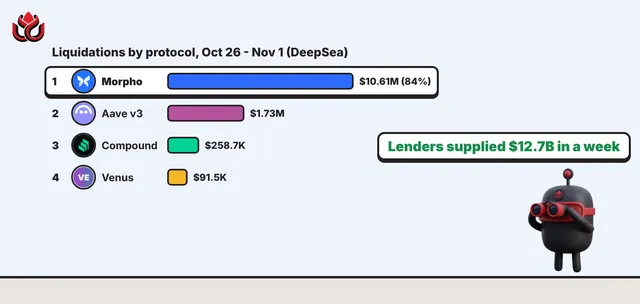
DeFi lenders supplied $12.7 billion in a week. Morpho Blue had 84% of liquidations
DeepSea's lending data for October 26 to November 1 shows deposits far ahead of withdrawals, borrowing almost exactly matched by repayments, and $12.69 million liquidated, most of it on Morpho Blue.
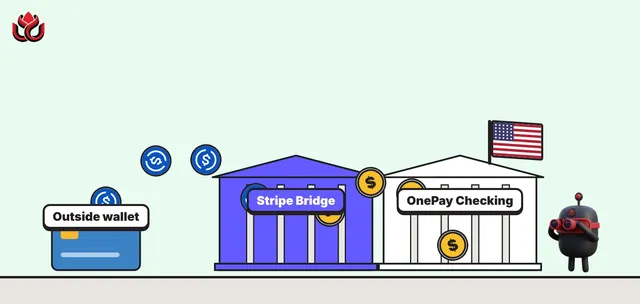
Send USDC on 12 blockchains, get dollars: OnePay adds Stripe-powered checking deposits
Since October 30, 2026, select US OnePay customers can send USDC from an outside wallet straight into OnePay Checking. Stripe's Bridge converts it to dollars with no conversion fee at launch, but the coins are not FDIC insured on the way in.
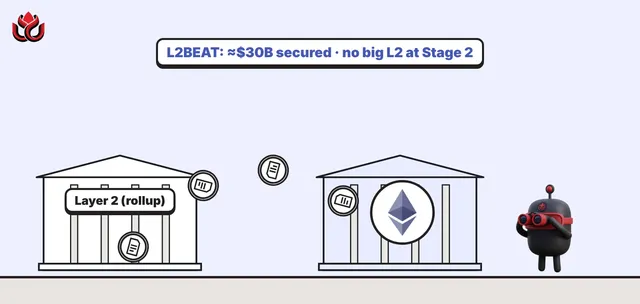
What is a layer 2? Rollups, proofs and why no big L2 is Stage 2 yet
A layer 2 is a separate blockchain that runs transactions cheaply and settles them on Ethereum, using fraud proofs or validity proofs to show its state is correct. L2BEAT tracks about $30 billion in L2s, and its Stages show how much control each team still holds.
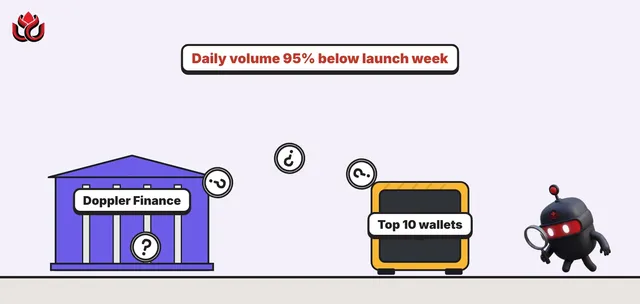
Doppler's XDP is trending again, with daily volume 95% below launch week. What is it?
Doppler Finance's XDP token sat fourth on DeepSea's 24-hour trending list late on November 1 (ET), a month after launch. CoinGecko shows it hit a record low on October 30, and DeepSea finds the top 10 wallets hold 95% of supply.
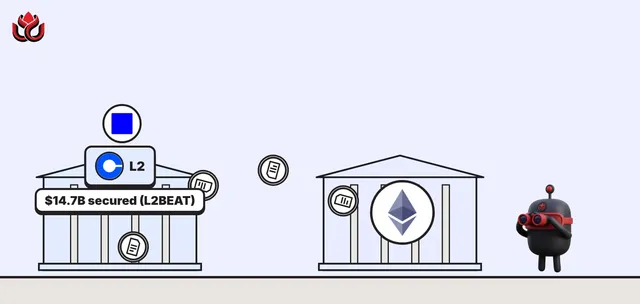
What is Base? How Coinbase's $14.7B layer 2 works and who can change it
Base is an Ethereum layer 2, an optimistic rollup built with the OP Stack, and the biggest by value: about $14.7 billion secured as of November 2, 2026, per L2BEAT. It runs transactions cheaply, posts the data to Ethereum, and a Coinbase multisig holds one of its two upgrade keys.
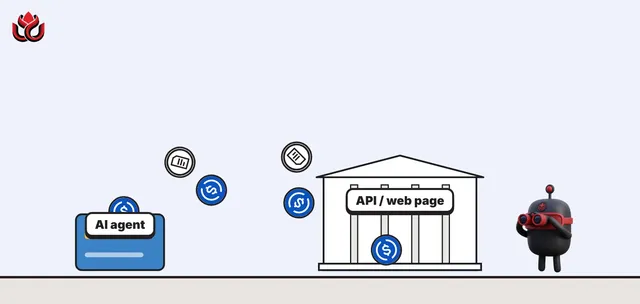
What is x402? The HTTP payment protocol that lets AI agents pay per request
x402 is an open protocol that uses the web's "402 Payment Required" status code so apps and AI agents can pay for an API call or a web page in stablecoins, inside the request itself, with no account or card form.
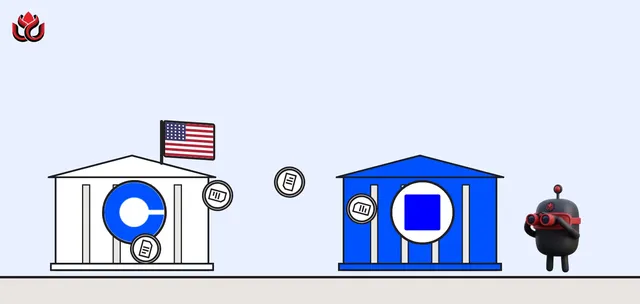
Base's next upgrade makes blocks 10 times faster. The code says November 5
Coinbase's layer 2 switched on its Cobalt upgrade on September 30. Next is Denim, which cuts block times from 2 seconds to 200 milliseconds and could break contracts that count time in blocks. Base's code sets November 5, 1:00 p.m. ET, though Base still calls November only a target.
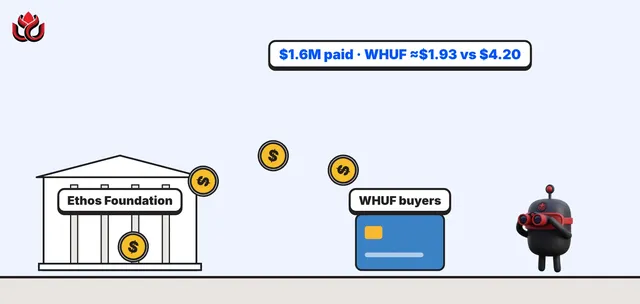
Ethos promised WHUF buyers 85% back. It has paid $1.6 million as the token halved
The reputation protocol on Base sold 20% of its token at $4.20 and guaranteed qualifying buyers $3.57. WHUF unlocked on October 8 and fell to about $1.93, so buyers are cashing in the floor while the Ethos Foundation burns the returned tokens.
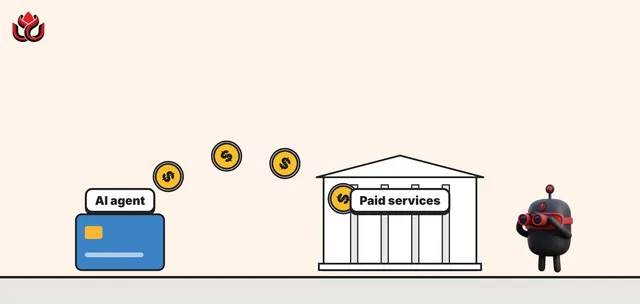
Mastercard lets AI agents pay their own way: nine payments, one budget, no invoices
Mastercard opened early access to Agent Pay for Machines, which lets AI agents buy services on their own within a spending limit set by a human. It runs on the x402 standard and can settle in cash or stablecoins on Base.
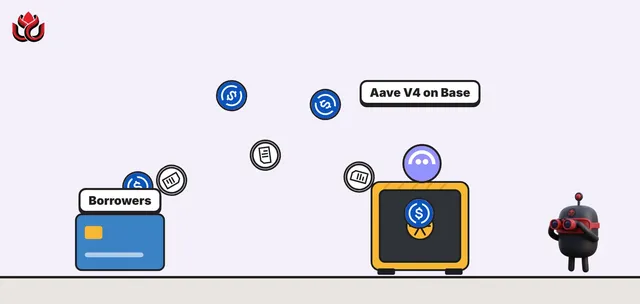
Borrow dollars against Nvidia stock, even on a Sunday: Aave's first month, $5.2M lent
Aave V4 on Base now takes seven Coinbase tokenized tech stocks as collateral for USDC loans. A month in, $11.5 million of stock is deposited, ten tiny liquidations have hit, and there is no bad debt. US users are shut out.