

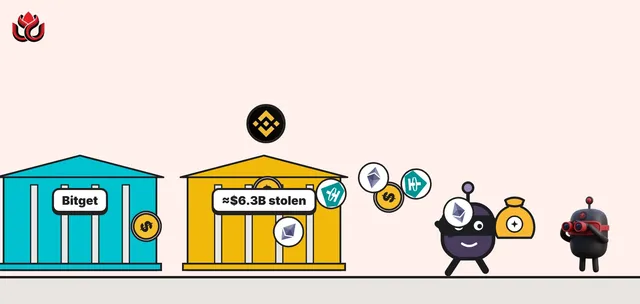
One address, two exchange hacks: DeepSea traces where this fall's stolen crypto went
DeepSea says funds from the Bitget and Binance thefts landed at the same address. Its tracker also shows how little of the loot has reached exchanges, and how much is simply sitting still.

How crypto exchange hacks happen: the weak spot is rarely the key itself
Most exchange hacks start in hot wallets, the online wallets that pay out withdrawals. Attackers rarely break the cryptography. They get into the systems and people that approve transactions, then rush to swap stablecoins before issuers can freeze them.

Why is Bitget buying a Thai exchange that lost 74 million baht last year?
Bitget wants GMO-Z.com Cryptonomics, a tiny Bangkok platform with 11 million baht in yearly sales but a Thai license. The price is secret, and GMO filed the sale on the same day Bitget was hacked.
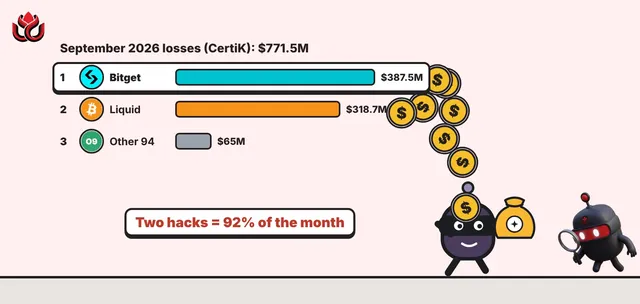
$771 million stolen in September, and two hacks were 92% of it
September 2026 was the worst month of the year for crypto hacks until October, CertiK's data show. Bitget and the Liquid Network caused almost all of it, and a returned bitcoin haul cut the real loss to about $488 million.
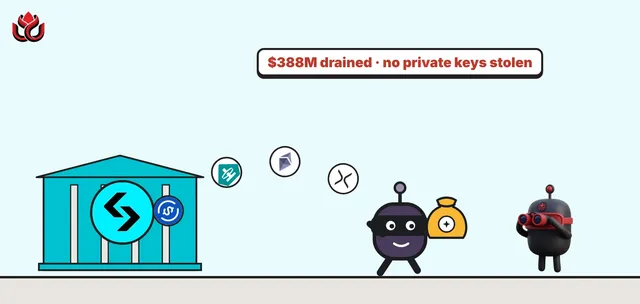
Bitget lost $388 million with no keys stolen. How did fake withdrawals get through?
Attackers used an unpatched flaw in a third-party security tool, took real staff logins and wrote fake withdrawal orders into Bitget's wallet servers. Bitget says its Protection Fund covers the loss and user balances were not touched.