


Hong Kong moves to ban "crypto exchange" in the names of unlicensed firms
The Securities and Futures Commission has concluded its consultation on misleading business names. Any firm calling itself a crypto exchange, virtual asset market or token trading platform would need SFC approval first, six months after the law passes.
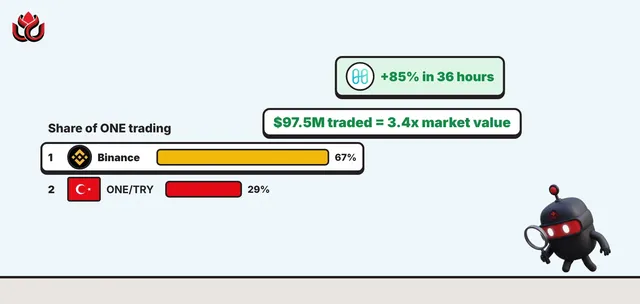
Harmony's ONE jumped 85% in a day and a half. Trading hit 3.4 times its market value
ONE went from about $0.00106 to $0.00196 on CoinGecko as daily trading rose from about $2 million to $97 million. We could not confirm an official reason for it.
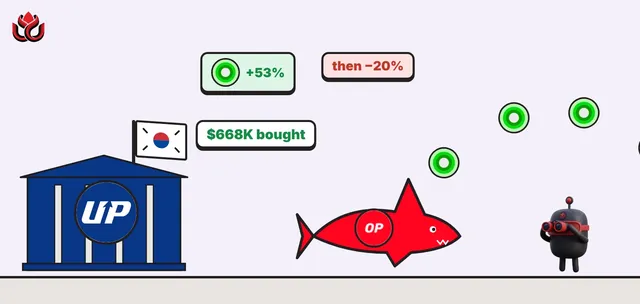
CYBER jumped 53% in about a day, then gave back 20%. Sharks on Optimism bought $668,000
CoinGecko shows the small-cap CYBER token trading four times its market value in 24 hours, with South Korea's Upbit the busiest market. DeepSea's shark wallets were net buyers on Optimism over a day in which the price fell.
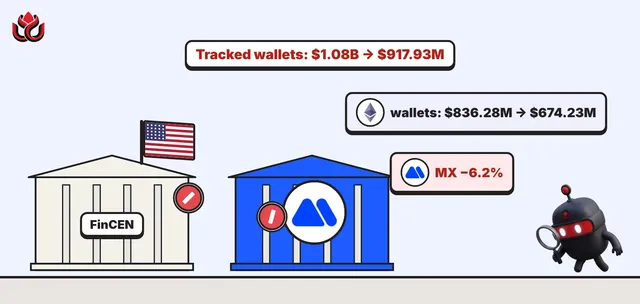
MEXC's tracked wallets shed $166 million before FinCEN's order. Then MX fell 6%
DeepSea's MEXC wallets fell from $1.08 billion to about $918 million between November 5 and early November 6, before FinCEN moved against the exchange. They have barely moved since, and the data does not show why.
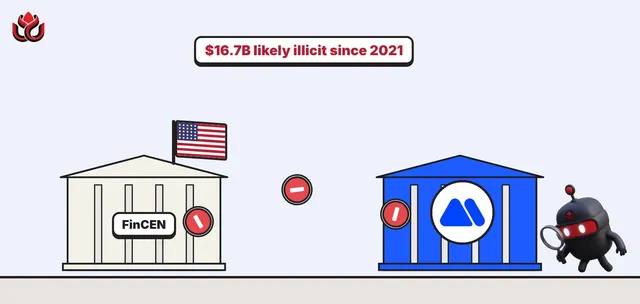
FinCEN cuts MEXC off from U.S. banks over $16.7 billion in likely illicit flows
The U.S. Treasury's FinCEN ordered U.S. financial institutions on November 6, 2026, to stop sending funds to or receiving funds from MEXC Global. The ban starts 30 days after the order runs in the Federal Register.
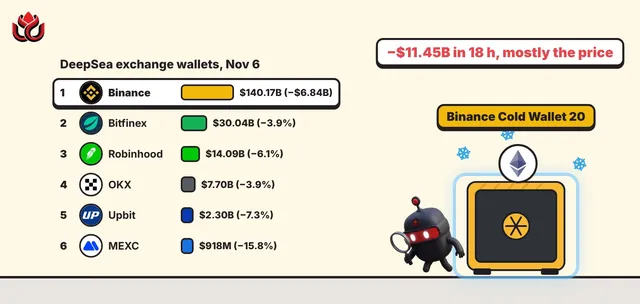
Exchange wallets lost $11.45 billion in 18 hours. Mostly price, not withdrawals
DeepSea's exchange list shrank 4.7% as bitcoin fell about 6%. Binance's holdings dropped $6.84 billion, and MEXC fell 15.8%, the steepest among large exchanges.
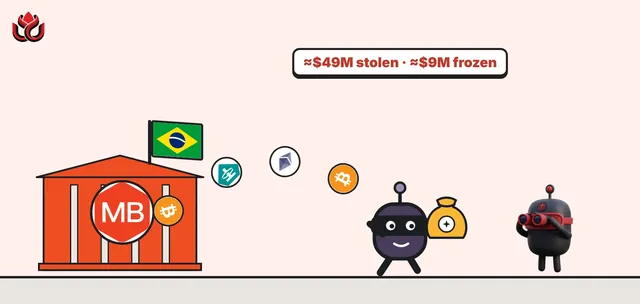
Brazil's Mercado Bitcoin lost about $49 million on 17 chains. It says customers lose nothing
Mercado Bitcoin says it contained a security incident on November 2, 2026, and that no customer will lose assets. Chainalysis puts the theft at about $49 million and says close to $9 million has been frozen.
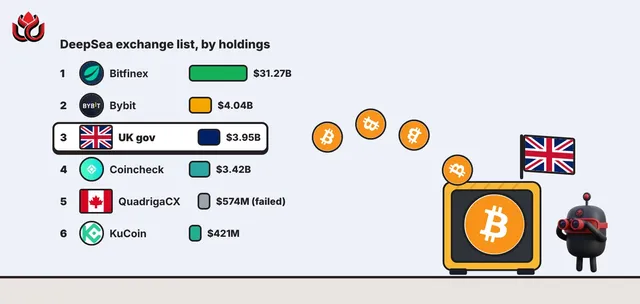
Seized UK government wallets rank seventh on DeepSea's exchange list, at $3.95 billion
DeepSea's exchange rankings mix trading venues with seized and long-silent wallets, including $574.14 million in failed QuadrigaCX's. Bitfinex ranks second at $31.27 billion, and one Coincheck wallet holds $3.42 billion.
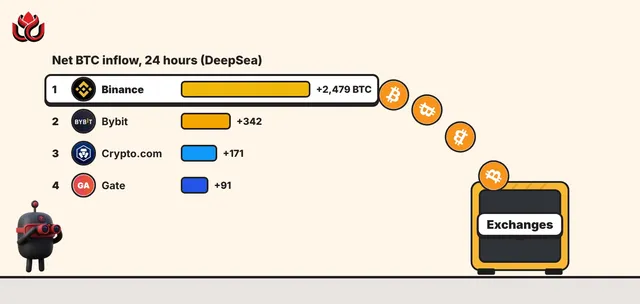
A net 16,251 bitcoin flowed onto exchanges in a week. Binance took in the most
DeepSea's dashboard shows a net 1,387 BTC flowed into exchanges in 24 hours, with Binance up 2,479 BTC while Kraken and Bitfinex lost coins.
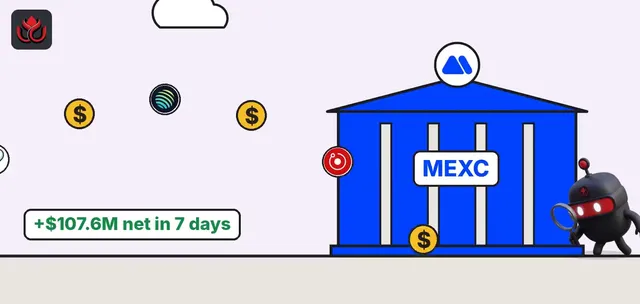
MEXC took in a net $107.6 million in seven days, more than any other exchange
Among the exchanges DeepSea tracks, MEXC topped the seven-day inflow table while OKX, Gate, Bybit and Bitget all saw net outflows.
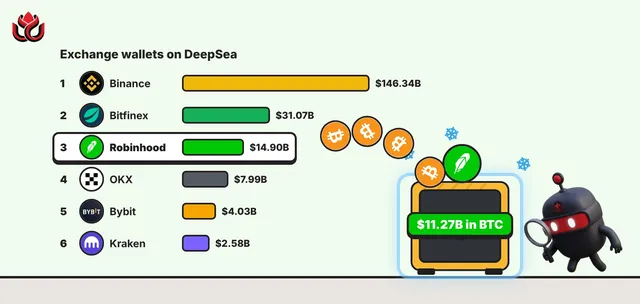
Robinhood's $14.9 billion ranks third on DeepSea. One cold wallet holds $11.27 billion of it
DeepSea's exchanges list puts Robinhood's labeled wallets behind only Binance and Bitfinex. A single Bitcoin cold wallet holds about three-quarters of the total.
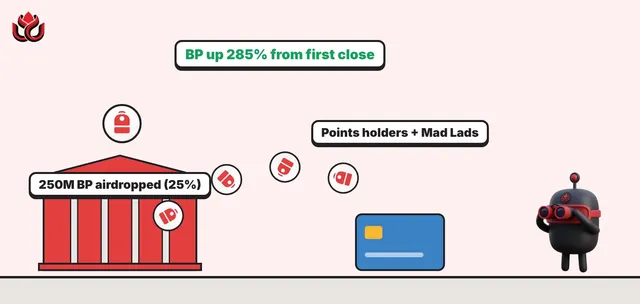
Backpack gave users 25% of BP and insiders nothing. BP is up 285% from its first close
Backpack airdropped 250 million BP to points holders and Mad Lads owners on March 23, 2026, worth about $57 million at CoinGecko's first daily close. No team or investor tokens unlocked, and the next 37.5% of supply unlocks only when the company hits growth milestones.
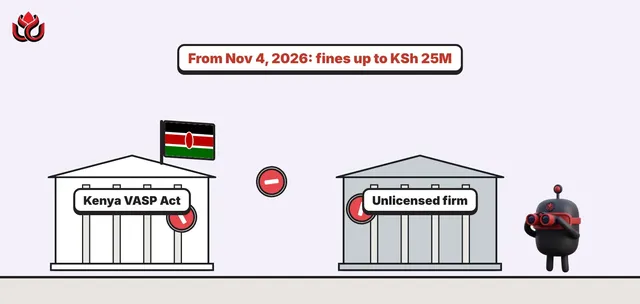
Kenya's crypto grace period ends November 4: KSh 25 million fines for unlicensed firms
Crypto firms already serving Kenya had one year to get licensed under the new VASP Act, and that year ends Wednesday. From November 4, 2026, a company operating without a license risks a fine of up to KSh 25 million.
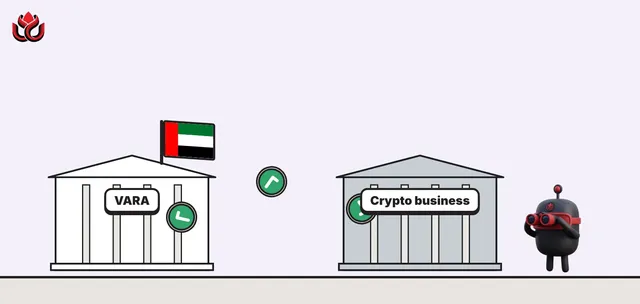
Dubai VARA crypto rules explained: who needs a license and what it covers
In Dubai, crypto businesses need a license from the Virtual Assets Regulatory Authority (VARA), which covers the emirate's mainland and free zones except the DIFC. VARA licenses seven activities, from exchanges to custody, and regulates token issuance and crypto marketing.
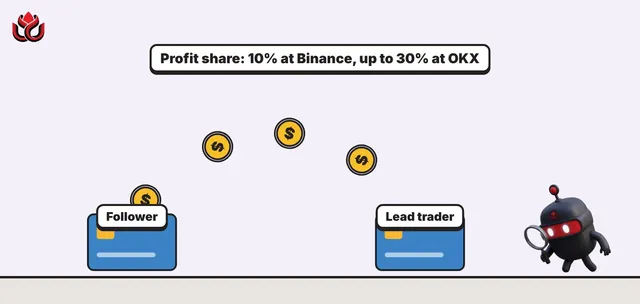
Copy trading explained: how it works, what lead traders take and why results differ
Copy trading lets you automatically mirror another trader's positions on an exchange, in return for a share of any profit. Your results can differ from theirs because of order size, slippage and timing, and regulators warn it can encourage herd behavior and frequent trading.
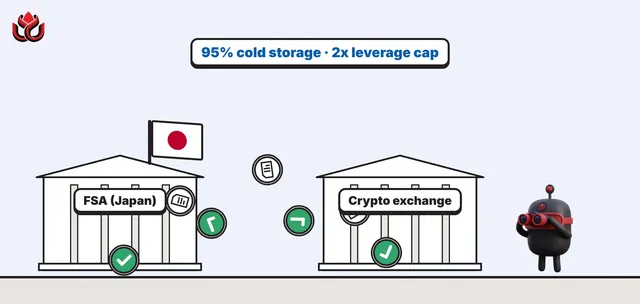
Japan crypto rules explained: FSA registration, 95% cold storage and 2x leverage
Crypto exchanges in Japan must register with the Financial Services Agency under the Payment Services Act, keep at least 95% of customer coins offline, and cap retail leverage at 2x. A 2026 government bill would revise the rules again, borrowing from securities law.
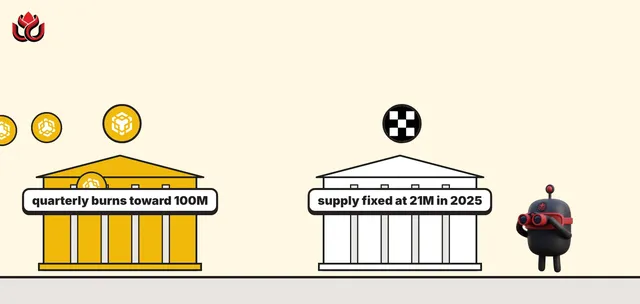
What are exchange tokens? BNB keeps burning, OKB froze its supply at 21M
Exchange tokens are coins tied to a crypto exchange that give holders perks on the platform and pay gas on the exchange's own blockchain. BNB shrinks through quarterly burns toward 100 million; OKB's supply was fixed at 21 million in 2025. Both stay tied to one company.
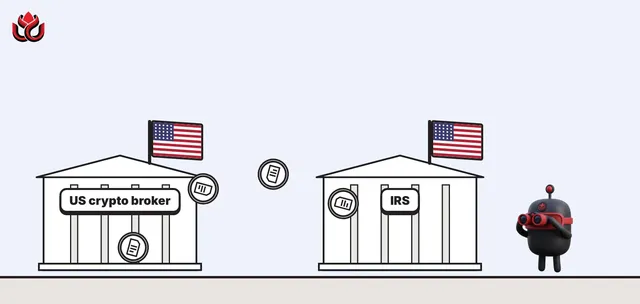
Crypto taxes in the US: Form 1099-DA explained, from proceeds to cost basis
Form 1099-DA is the IRS form US crypto brokers use to report your sales. It shows gross proceeds for sales from 2025 and adds cost basis for certain sales from 2026, but you must report all crypto gains and income whether or not you get one.
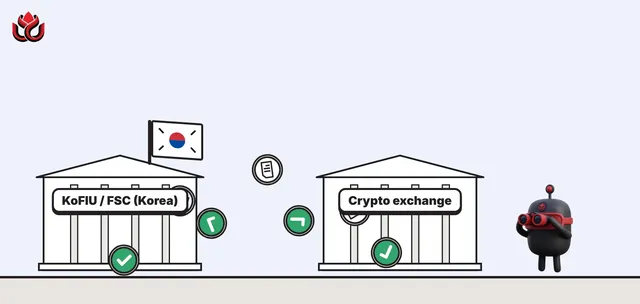
South Korea crypto rules explained: cold wallets, bank-held cash and jail terms
Crypto exchanges in South Korea must register with the Financial Intelligence Unit and, since July 19, 2024, follow the Virtual Asset User Protection Act: customer cash held at banks, most coins in cold wallets, and prison terms for market manipulation.
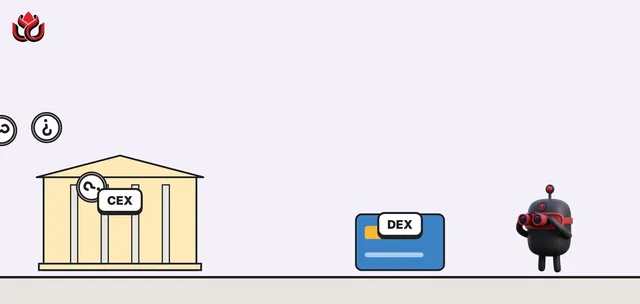
CEX vs DEX explained: who holds your crypto, and what can go wrong
A centralized exchange (CEX) is a company that holds your coins and matches orders in an order book; a decentralized exchange (DEX) is blockchain software that lets you swap from your own wallet against a pool of tokens. The real trade-off is custody: convenience and support on one side, control and responsibility on the other.
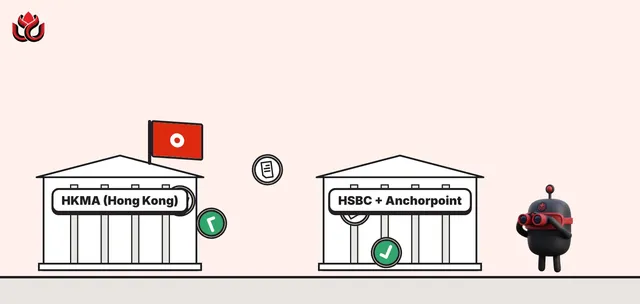
Hong Kong crypto licensing explained: SFC exchange rules, 2 of 36 stablecoin bids
In Hong Kong, crypto exchanges need a license from the Securities and Futures Commission, and anyone issuing a fiat-backed stablecoin needs one from the Hong Kong Monetary Authority. Only two stablecoin issuers had been licensed as of April 2026: HSBC and Anchorpoint Financial.
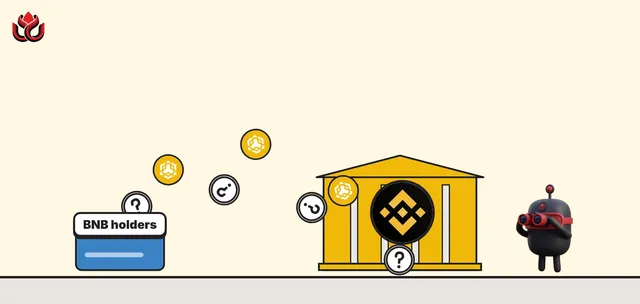
Binance Launchpool and HODLer Airdrops explained: how BNB holders earn new tokens
Launchpool pays a new token hour by hour to people who lock BNB or stablecoins; HODLer Airdrops pay one after the fact to people who held BNB in Simple Earn during a past window. Both depend on your share of a pool, and both carry price risk.
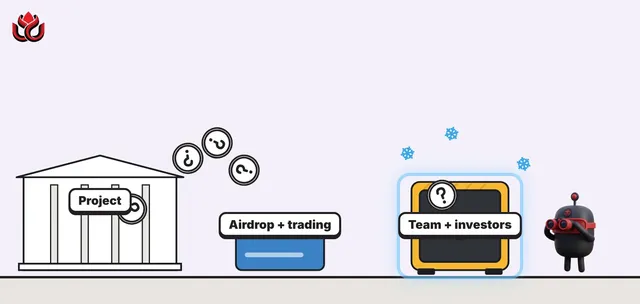
What is a TGE? Token launch day explained, and why most supply stays locked
A TGE, or token generation event, is the moment a crypto project creates its token and the first slice starts to circulate. Airdrop claims and trading usually begin then, while team and investor tokens stay locked for months or years.

How crypto exchange hacks happen: the weak spot is rarely the key itself
Most exchange hacks start in hot wallets, the online wallets that pay out withdrawals. Attackers rarely break the cryptography. They get into the systems and people that approve transactions, then rush to swap stablecoins before issuers can freeze them.

Vietnam crypto law explained: 5 licenses, VND 200M fines and a 6-month clock
Crypto is legally defined in Vietnam, and a five-year pilot lets up to five licensed local firms run crypto markets. As of the latest official update on October 6, 2026, no provider had been licensed, so the six-month countdown for investors using unlicensed platforms has not started.

What is proof of reserves? What it proves about exchanges, and what it misses
Proof of reserves is a public check that an exchange holds at least as much crypto as its customers have deposited. Merkle trees or zero-knowledge proofs let you confirm your balance was counted, but it is a one-day snapshot, not proof the company is solvent.
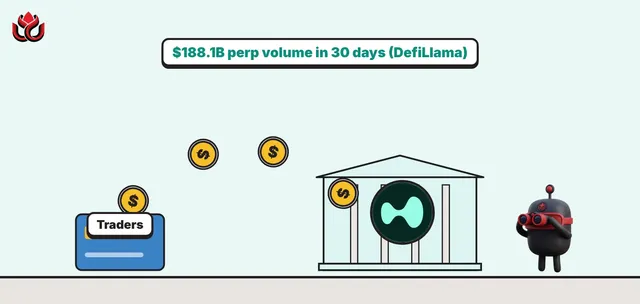
What is Hyperliquid? How the $188B-a-month onchain perps exchange works
Hyperliquid is a blockchain built for trading. Its HyperCore engine runs perpetual futures and spot order books fully onchain, and DefiLlama showed $188.1 billion of perp volume in the 30 days to November 2, 2026.
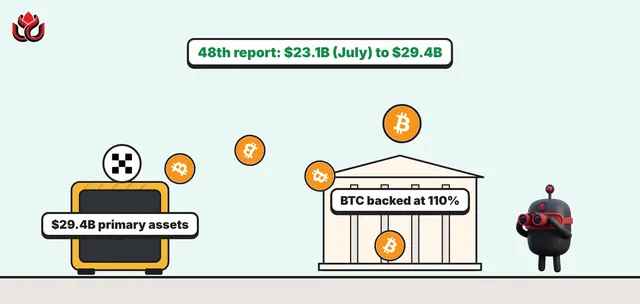
OKX's 48th reserve report shows $29.4 billion, up 27% in three months, with BTC at 110%
OKX marked four years of monthly proof-of-reserves reports on October 30. Its primary assets rose from $23.1 billion in July to $29.4 billion, and every listed coin is backed at least 1:1. Here is what the report proves and what it leaves out.
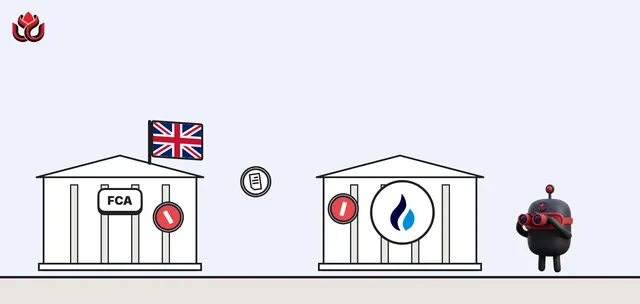
One year in the High Court: HTX settles with the FCA and promises to stop UK ads
HTX, formerly Huobi, has given court-backed undertakings not to unlawfully promote its crypto services to UK consumers, the UK regulator says. The case began in October 2025 and ended with a confidential settlement, no admission of wrongdoing and no announced fine.
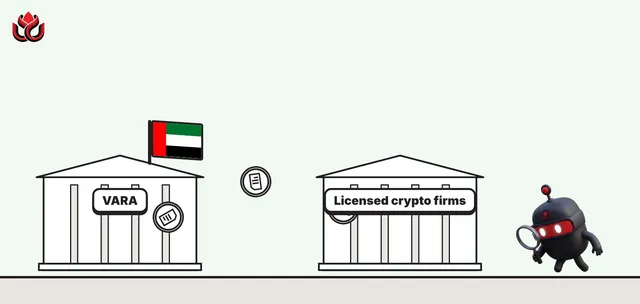
Dubai's VARA reviewed every 2025 reserve report. Now auditors face seven checks
Two VARA circulars in October tell licensed crypto firms what a real reserve audit must prove, and warn that vague website claims like "protected" and "segregated" are not enough.
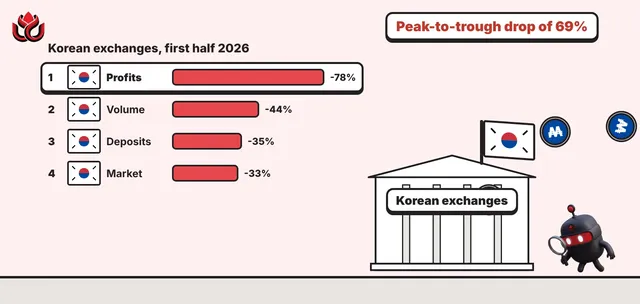
Korea's crypto exchanges lost a third of their market in six months. Profits fell 78%
Official KoFIU data for the first half of 2026 shows market value, trading and won deposits all collapsing, with a 69% peak-to-trough drop that was worse than the stock market's. Exchange profits took the biggest hit.
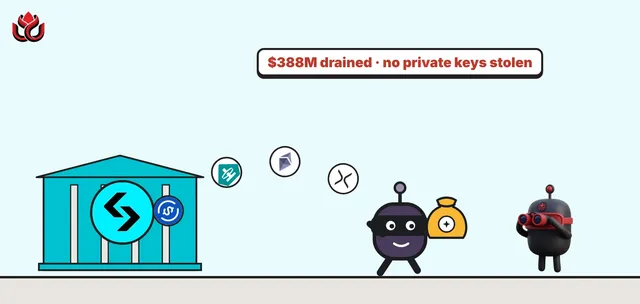
Bitget lost $388 million with no keys stolen. How did fake withdrawals get through?
Attackers used an unpatched flaw in a third-party security tool, took real staff logins and wrote fake withdrawal orders into Bitget's wallet servers. Bitget says its Protection Fund covers the loss and user balances were not touched.