


Bitcoin Core discloses 3 bugs fixed in 2025. The worst could stop a node building blocks
Bitcoin Core published three security advisories on November 10, one rated high. All were fixed in releases from October 2025, and the advisories describe no theft of coins.
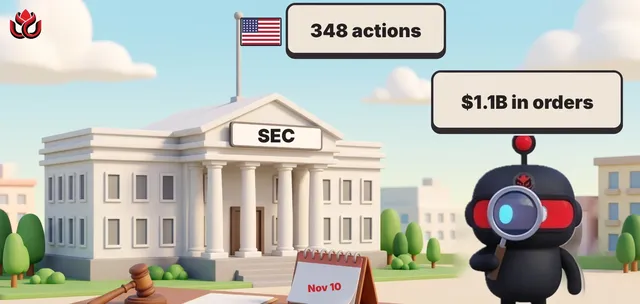
SEC cases fall to 348 from 456 as crypto examples include a $95.6 million mining fraud
The SEC's fiscal 2026 enforcement results, released November 10, show 348 actions and $1.095 billion in ordered money. The crypto cases it highlights are retail frauds, from a $14 million fake platform scheme to an FTX audit case.
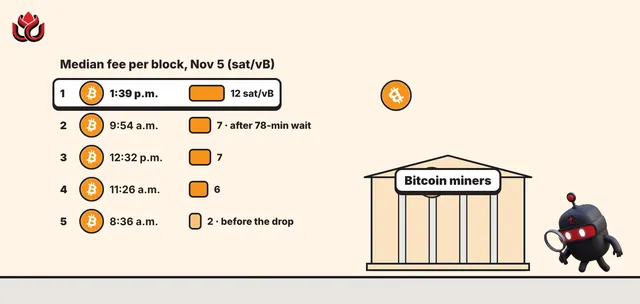
Bitcoin fell 5% in four hours. Fees peaked at just 12 sats after a 67-minute wait
mempool.space data shows the November 5 sell-off barely stressed the Bitcoin network. The biggest fee jumps came when blocks were slow, not when panic peaked.
What is Bitcoin? How it works, why only 21 million exist and the risks
Bitcoin is a digital currency that moves directly between users on a public network, with no bank or company in the middle. Miners secure it with computing power, its supply is capped at 21 million coins, and BTC traded near $77,323 as of November 2, 2026.
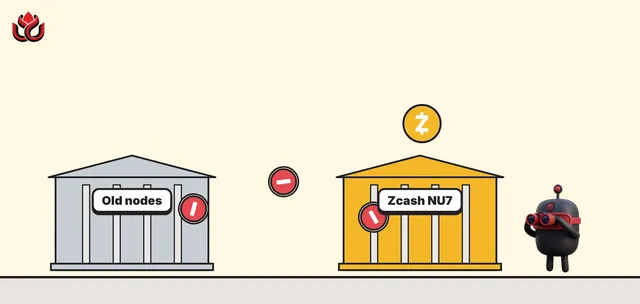
Zcash NU7 makes blocks 3x faster around November 5. Old nodes will split off
Zcash's NU7 hard fork activates at block 3,543,405, expected around November 5, 2026. It cuts block time from 75 to 25 seconds without changing supply, sends 60% of fees to a reserve and invalidates version 4 transactions. Nodes that do not upgrade split off.
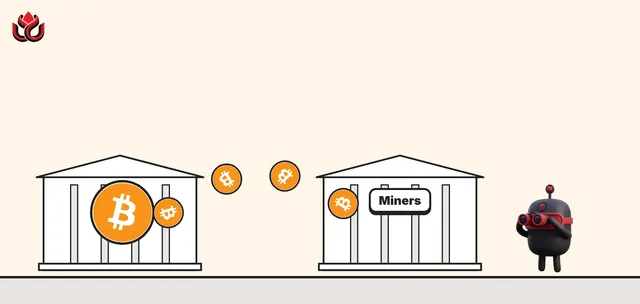
Bitcoin mining and hashrate explained: difficulty, hashprice and data sources
Bitcoin miners race to find a block hash below a target, and every 2,016 blocks (about two weeks) the network resets the difficulty so blocks keep coming about every 10 minutes. Hashrate, the total guessing power, cannot be measured directly; it is estimated from difficulty and block times.
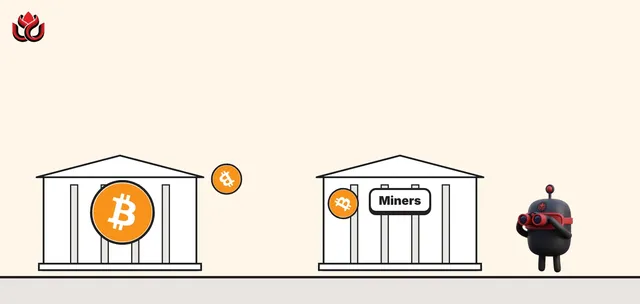
Bitcoin halving explained: what it is, when the next one is and why it matters
The bitcoin halving is a rule in bitcoin's code that cuts the reward for mining a new block in half every 210,000 blocks, about every four years. The last one happened on April 20, 2024, at block 840,000. The next is due at block 1,050,000, expected around spring 2028.
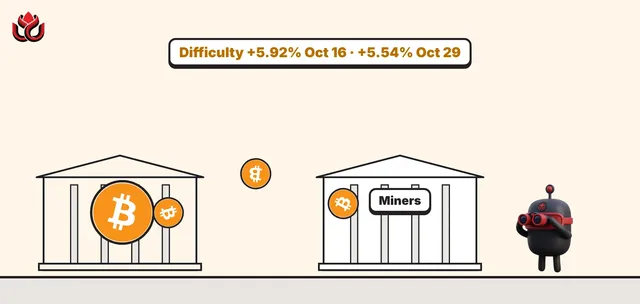
Bitcoin hashrate is back above 1 zettahash: two difficulty jumps in 13 days
Mining difficulty rose 5.92% on October 16 and another 5.54% on October 29, ending seven months below the 1 ZH/s line. A new record is about 5% away, but miners earn far less per machine than a year ago.