Binance reopens withdrawals on 87 more networks after covering its $6.34 billion hack
Two weeks after the October 29 theft, Binance says it has covered every affected asset with company money and reopened withdrawals on 87 more networks, from Avalanche to Cardano. It aims to reopen the rest by the end of next week.
Key points
- A Binance recovery update dated November 14, 2026, says withdrawals reopened this week on 87 more networks, including AVAX, ADA, NEAR, LTC, XLM, ATOM, TAO and HYPE.
- Binance says it aims to have every remaining network and asset open again before next week is out, and warns of delays during the rollout.
- In a November 12 notice, Binance said it put more than $6.34 billion of company funds toward covering the hack losses and published a new proof of reserves for 198 tokens.
What Binance reopened
Binance customers can again withdraw on a long list of blockchains. A recovery update dated Saturday, November 14, 2026, names 87 networks where withdrawals came back this week. The list runs from big chains such as Avalanche (AVAX), Cardano (ADA), NEAR, Litecoin (LTC), Stellar (XLM), Cosmos (ATOM) and Bittensor (TAO) to newer ones such as Hyperliquid (HYPE), MegaETH, Plasma, Katana and a network Binance lists as ROBINHOOD.
The update does not list which networks are still closed. Binance says it is working to open the rest before next week is out, without giving a calendar date. It also warns that withdrawals may run slow or stall for a while during the rollout. The live status of each chain sits on Binance's network page.
How the losses were covered
Binance put its loss in the October 29 breach at about $6.34 billion, and the FBI has attributed the theft to North Korea. In a notice dated November 12, the exchange said it "has completed coverage of assets impacted in the security incident."
Binance says it committed more than $6.34 billion of its own money and bought the affected tokens back through the market and over-the-counter desks (private trades between large parties). The money came from three places:
- part of SAFU, the Secure Asset Fund for Users, Binance's emergency reserve
- futures insurance fund money held beyond what its risk rules call for
- its corporate treasury
Binance says it will refill SAFU to about $1 billion. A very small number of affected tokens that Binance no longer supports will go through its delisting process, and holders will be covered, the notice says.
The new proof of reserves
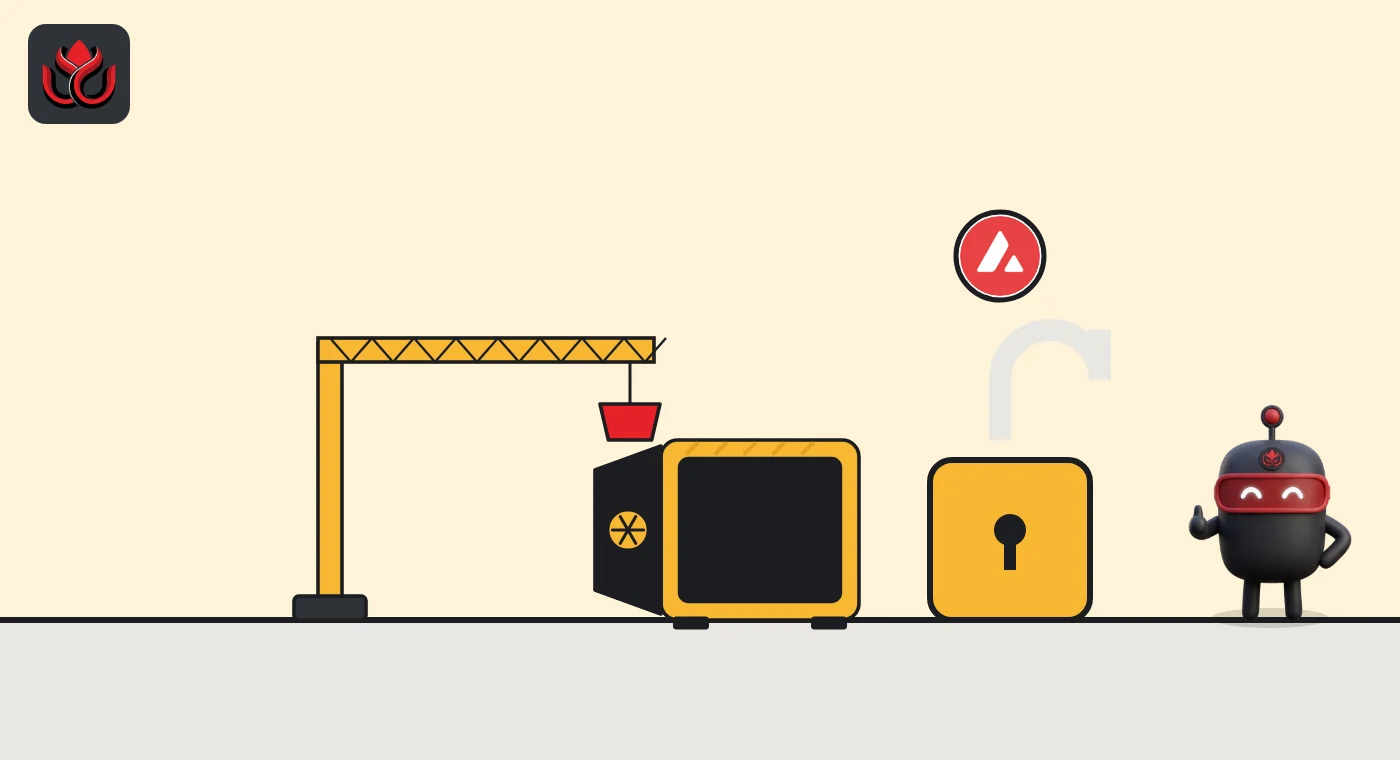
Binance also published a new proof of reserves, a check that shows the exchange holds at least as many coins as it owes customers. The snapshot was taken at midnight UTC on November 12 (7 p.m. ET on November 11) and covers 198 tokens.
The notice said the full zero-knowledge proof, a math proof that lets each user check their balance is included without seeing anyone else's, would take about 40 to 50 hours to generate. Once done, holders of affected tokens can check that their assets are backed at least 1:1, Binance says. The notice gives no per-token reserve ratios and no breakdown of the $6.34 billion by asset.
Timeline
About $6.34 billion is stolen from Binance, by Binance's count
Binance says coverage of all affected assets is complete and publishes a proof of reserves snapshot for 198 tokens
The U.S. Justice Department says it won court approval to seize or restrain more than $1.2 billion of the stolen funds
Binance says withdrawals reopened this week on 87 more networks
Binance's target to reopen all remaining networks and assets
LC Insight analysis
This section is our reading of the facts above, not a statement of fact.
- We think the 87-network list matters more to most users than the $6.34 billion headline. Many altcoin holders could not move coins off the exchange for two weeks, and this is the first sign that the backlog is clearing at scale.
- Covering the loss with SAFU, insurance fund surplus and treasury money keeps customers whole, but it also shrinks Binance's cushion for the next shock. The pace of the SAFU refill to $1 billion is the number we would track.
- A proof of reserves shows assets against liabilities at one moment. It does not show liabilities outside the snapshot, so it is a useful check, not a full audit.
What's next
- Which networks and assets are still closed, and whether all reopen by the end of next week
- Per-token results once the zero-knowledge proof is live
- Updates on the SAFU refill to about $1 billion
- How much of the frozen funds the U.S. case returns
Disclaimer. This article is based on public information and the sources listed below as of the update time shown. It is for information only and is not investment, legal or tax advice. Figures may change as companies and authorities publish new data.
Sources
- Binance, "Recovery Update: Withdrawals Reopened for More Networks" (November 14, 2026)
- Binance, "Binance Completes Coverage of Assets Impacted in Security Incident; New Proof of Reserves Published" (November 12, 2026)
- Binance on X, initial findings on the October 29 incident (November 3, 2026)
- Binance, Proof of Reserves
- Binance, Network status
- US Justice Department, release on the Binance hack funds (November 12, 2026)