Thailand crypto rules explained: licenses, the Bybit and OKX blocks, and tax
Any crypto exchange, broker or dealer serving people in Thailand needs a Thai SEC license, and since April 2025 offshore platforms with Thai features can be blocked. Bybit, OKX and three others were named for blocking from June 28, 2025. Here is what that means for users, payments and tax.
Key points
- Running an unlicensed crypto exchange, brokerage or dealer in Thailand can mean two to five years in prison and a fine of 200,000 to 500,000 baht.
- Since April 13, 2025, a foreign platform with Thai traits such as Thai language or baht payments needs a Thai license or can be blocked. The SEC named Bybit, 1000X, CoinEx, OKX and XT.COM.
- Licensed firms may not help people pay for goods with crypto, and gains from transferring crypto are taxable personal income.
Who regulates crypto in Thailand?
Thailand's Securities and Exchange Commission (SEC) supervises crypto businesses. The main law is the Emergency Decree on Digital Asset Businesses B.E. 2561, issued on May 10, 2018. It splits "digital assets" into two kinds: cryptocurrencies, meant to be used as a medium of exchange, and digital tokens, which give a right to invest in a project or to get specific goods or services.
The Bank of Thailand (BOT) runs the baht and the payment system, and it regulates the e-money firms that crypto businesses must work with for payments. The Revenue Department sets the tax rules, and the Ministry of Digital Economy and Society (MDES) handles website blocking.
Who needs a license, and what happens without one?
The decree licenses three main businesses, according to the SEC's rules page:
- Exchange: a platform that matches buy and sell orders.
- Broker: a firm that trades for customers for a fee.
- Dealer: a firm that trades for its own account outside an exchange.
The license comes from the Minister of Finance on the SEC's recommendation. Running one of these businesses without a license is a crime under Section 66: two to five years in prison, a fine of 200,000 to 500,000 baht, and up to 10,000 baht more for each day it continues, according to the SEC's unofficial English translation.
The SEC enforces this by filing criminal complaints with the police, as in the May 2025 case below. A complaint is an allegation that still goes through investigators and the courts. LC Insight covers newer SEC actions in our October story.
Why are Bybit, OKX and other foreign exchanges blocked in Thailand?
Two emergency decrees took effect on April 13, 2025, one amending the digital asset law and one amending the cybercrime law, the SEC said. A foreign platform now counts as serving people in Thailand, and needs a Thai license, if it shows any of seven listed traits. They include a Thai-language platform, a .th domain, baht payments, Thai governing law, paid search ads aimed at Thai users, and a Thai office or staff.
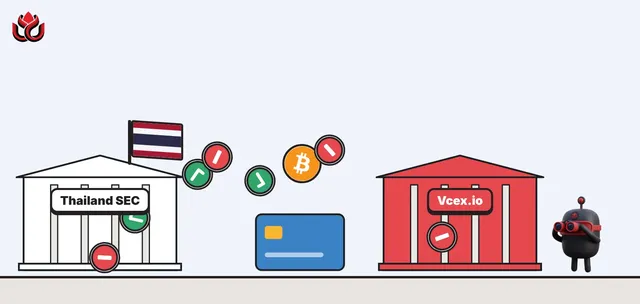
MDES can block the websites and apps of such platforms. On May 29, 2025, the SEC named five that it said offered trading without a license: Bybit, 1000X, CoinEx, OKX (okx.com/th) and XT.COM. MDES was to restrict access from June 28, 2025, and the SEC also filed criminal complaints with the Economic Crime Suppression Division of the Royal Thai Police.
The same 2025 changes target "mule" accounts, meaning accounts opened for criminals to move money. Opening a crypto account for someone else to use this way can bring up to three years in prison, a fine of up to 300,000 baht, or both. Licensed firms must also screen and suspend suspicious accounts and help refund scam victims.
Can you pay with crypto in Thailand?
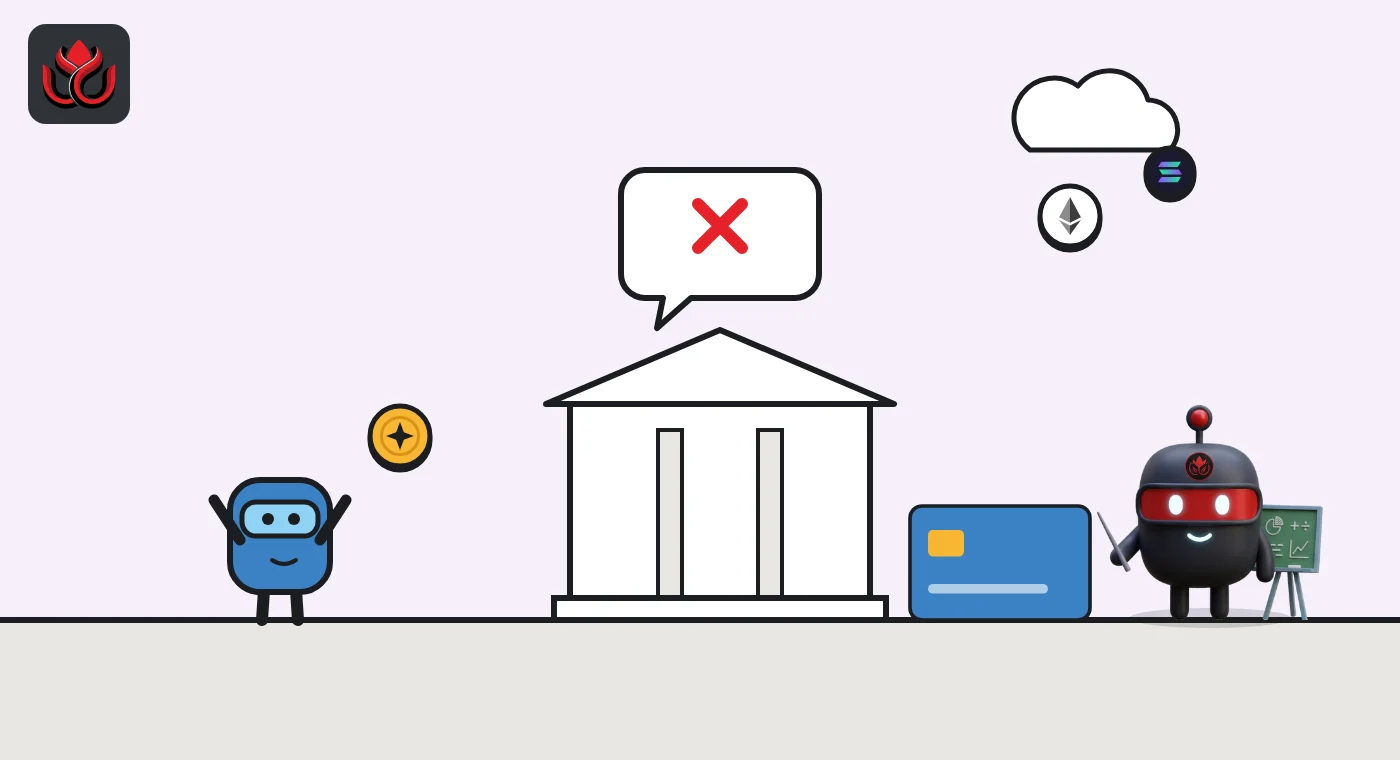
Not through a licensed firm. Since April 1, 2022, all licensed digital asset businesses have been barred from supporting crypto as a means of payment for goods and services, the SEC said. They may not market payment services to shops, build payment tools, or open wallets for that purpose. If a client uses a trading account to pay for things, the firm must warn the client and can suspend the account.
The BOT backed the rule. In a Q&A, it said wide use of crypto for payments could bring price swings, theft and money laundering risks, and could weaken monetary policy if people moved away from the baht.
What is the TouristDigiPay sandbox?
TouristDigiPay is a narrow exception for visitors. The SEC, the Ministry of Finance, the Anti-Money Laundering Office (AMLO) and the Ministry of Tourism and Sports announced the 18-month pilot on August 18, 2025, the SEC said. Foreign tourists convert crypto into baht through a licensed firm, then pay by scanning a code at merchants. The crypto itself is never the payment, and merchants receive baht.
The rules took effect on September 24, 2025, and firms could apply from September 25 to December 26, 2025, according to a September 25, 2025, release. Only licensed exchanges, brokers and dealers may take part. They must link up with e-money providers so tourists can pay with Thai QR codes nationwide, need SEC approval, may serve only foreign tourists staying in Thailand temporarily, and must run identity checks under AMLO rules. The SEC releases we read did not set a spending limit.
How is crypto taxed in Thailand?
Gains from transferring cryptocurrencies or digital tokens are taxable personal income under Section 40(4) of the Revenue Code, according to the Revenue Department's English guide to the 2024 personal income tax return (P.N.D. 90). The same item covers a share of profits or similar benefits received from holding digital tokens.
For 2024 income, paper returns and payment were due between January 1 and March 31, 2025, and e-filing ran to April 8, 2025, the guide says. Returns for later years follow the Revenue Department's yearly guide.
The Revenue Department also lists Ministerial Regulation No. 399 (B.E. 2568, 2025), a tax exemption rule under the Revenue Code for measures to promote Thailand as a global digital asset hub. LC Insight could not read the text of the regulation itself, so this guide does not state the scope, dates or conditions of that exemption. Check the Revenue Department before relying on it.
What is changing next?
The rulebook keeps growing. The SEC has issued a Travel Rule for digital assets, which makes crypto firms send sender and receiver details with transfers. On April 20, 2026, the SEC also consulted on letting digital asset firms apply for derivatives licenses without setting up new companies.
Thailand is stricter on payments than some neighbors. Singapore, for example, focuses on who serves overseas customers from its soil, as our Singapore guide explains.
LC Insight analysis
This section is our reading of the facts above, not a statement of fact.
- We think the April 2025 "seven traits" test matters most for ordinary users. It turns Thai language and baht payments into a licensing trigger, so big offshore exchanges must get a Thai license, buy a licensed firm, or stop marketing to Thais.
- The payment ban and TouristDigiPay point the same way. Thailand wants crypto as an investment, not as money, and even the tourist pilot makes sure merchants only ever receive baht.
- Tax is the least clear part. The Revenue Department lists a 2025 exemption tied to its digital asset hub policy, but anyone relying on it should read the official Thai text or ask the department, because the conditions decide who qualifies.
What's next
- More SEC blocking notices against foreign platforms
- When the SEC's Travel Rule for digital assets takes effect
- Whether the SEC finalizes derivatives licenses for digital asset firms
Frequently asked questions
Is crypto legal in Thailand?
Yes. Buying, holding and trading crypto is legal, and firms that run exchanges, brokerages or dealing businesses for people in Thailand must hold a license under the 2018 Emergency Decree on Digital Asset Businesses.
Is Binance blocked in Thailand?
The SEC's May 29, 2025, blocking notice named Bybit, 1000X, CoinEx, OKX (okx.com/th) and XT.COM, not Binance. Any foreign platform with Thai features and no Thai license can be blocked under the April 2025 rules.
Do I pay tax on crypto profits in Thailand?
Yes. The Revenue Department treats gains from transferring cryptocurrencies or digital tokens as personal income under Section 40(4) of the Revenue Code. For 2024 income, paper returns were due by March 31, 2025.
Can tourists spend crypto in Thailand?
Only through the TouristDigiPay sandbox: a licensed Thai firm converts the crypto to baht and the tourist pays by Thai QR code. Merchants receive baht, not crypto.
What is the penalty for running an unlicensed crypto exchange in Thailand?
Two to five years in prison and a fine of 200,000 to 500,000 baht, plus up to 10,000 baht a day while it continues, under Section 66 of the decree.
Disclaimer. This article is based on public information and the sources listed below as of the update time shown. It is for information only and is not investment, legal or tax advice. Figures may change as companies and authorities publish new data.
Sources
- SEC Thailand, Emergency Decree on Digital Asset Businesses B.E. 2561 (unofficial translation)
- SEC Thailand, News No. 89/2025: new laws on illegal digital asset platforms take effect (April 13, 2025)
- SEC Thailand, News No. 134/2025: access restriction of Bybit, 1000X and others (May 29, 2025)
- SEC Thailand, Press release No. 39/2022: ban on facilitating crypto payments (March 23, 2022)
- SEC Thailand, News No. 244/2025: TouristDigiPay launch (September 25, 2025)
- Revenue Department, Guide to Personal Income Tax Return 2024 (P.N.D. 90)
- Revenue Department, Ministerial Regulations list (No. 399, B.E. 2568)