

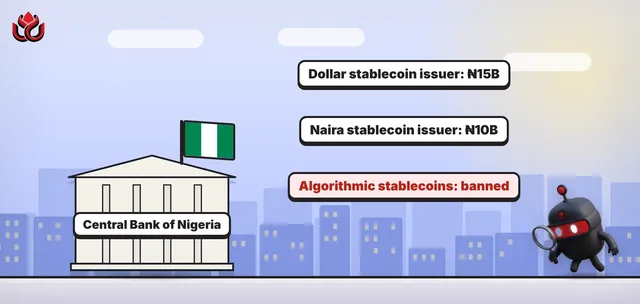
Nigeria sets a ₦15 billion floor for dollar stablecoin issuers and bans algorithmic coins
The Central Bank of Nigeria's new rules say foreign-currency stablecoins can reach Nigerians only through a locally licensed issuer. A foreign license does not count, and peer-to-peer desks need the bank's approval.
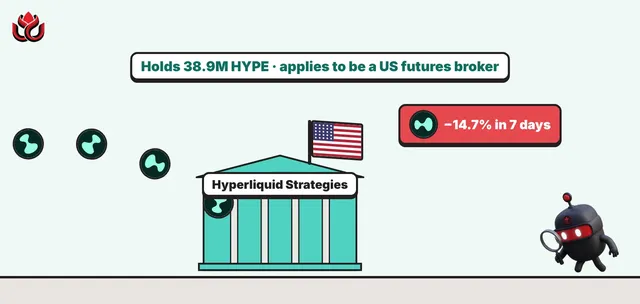
A Nasdaq-listed HYPE holder wants to be a US futures broker. HYPE is down 15% in a week
Nasdaq-listed Hyperliquid Strategies says a subsidiary has applied to become a futures commission merchant, a step toward offering Hyperliquid perps to US customers. It also booked a $620.6 million quarterly profit, nearly all of it paper gains on HYPE.
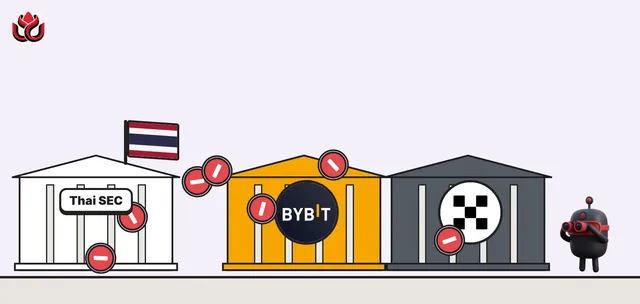
Thailand crypto rules explained: licenses, the Bybit and OKX blocks, and tax
Any crypto exchange, broker or dealer serving people in Thailand needs a Thai SEC license, and since April 2025 offshore platforms with Thai features can be blocked. Bybit, OKX and three others were named for blocking from June 28, 2025. Here is what that means for users, payments and tax.
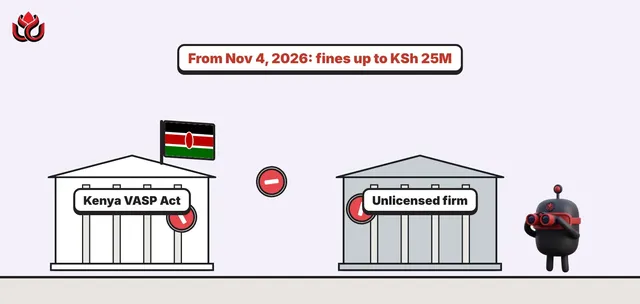
Kenya's crypto grace period ends November 4: KSh 25 million fines for unlicensed firms
Crypto firms already serving Kenya had one year to get licensed under the new VASP Act, and that year ends Wednesday. From November 4, 2026, a company operating without a license risks a fine of up to KSh 25 million.
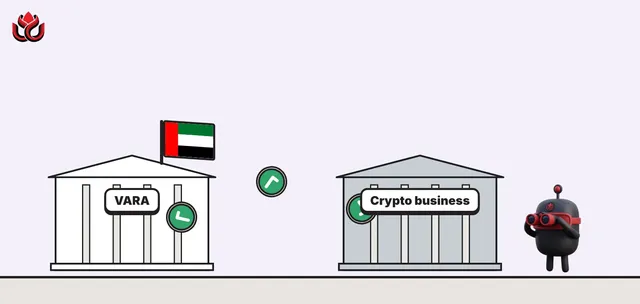
Dubai VARA crypto rules explained: who needs a license and what it covers
In Dubai, crypto businesses need a license from the Virtual Assets Regulatory Authority (VARA), which covers the emirate's mainland and free zones except the DIFC. VARA licenses seven activities, from exchanges to custody, and regulates token issuance and crypto marketing.
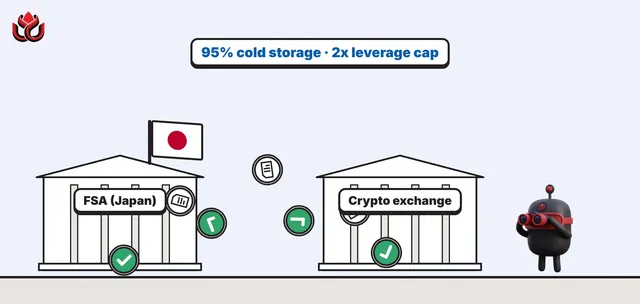
Japan crypto rules explained: FSA registration, 95% cold storage and 2x leverage
Crypto exchanges in Japan must register with the Financial Services Agency under the Payment Services Act, keep at least 95% of customer coins offline, and cap retail leverage at 2x. A 2026 government bill would revise the rules again, borrowing from securities law.
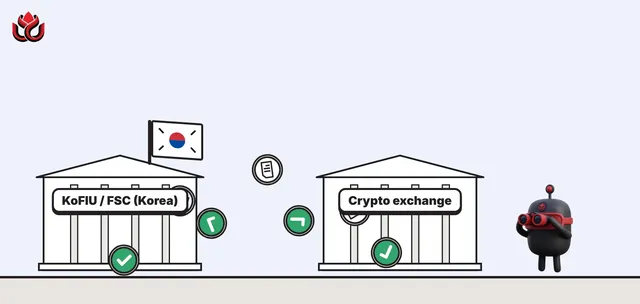
South Korea crypto rules explained: cold wallets, bank-held cash and jail terms
Crypto exchanges in South Korea must register with the Financial Intelligence Unit and, since July 19, 2024, follow the Virtual Asset User Protection Act: customer cash held at banks, most coins in cold wallets, and prison terms for market manipulation.
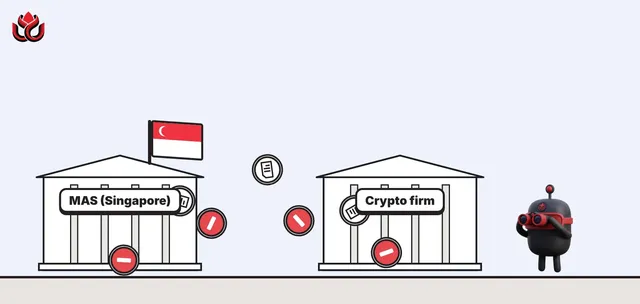
Singapore crypto rules explained: who needs a MAS license, and who won't get one
Crypto firms serving customers in Singapore need a license from the Monetary Authority of Singapore, mainly under the Payment Services Act 2019. Since June 30, 2025, Singapore firms that serve only overseas customers also need a license, and MAS says it will generally not grant one.
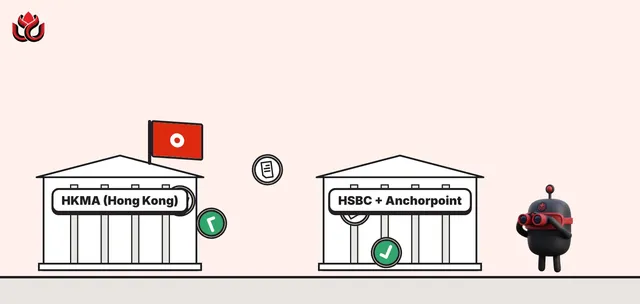
Hong Kong crypto licensing explained: SFC exchange rules, 2 of 36 stablecoin bids
In Hong Kong, crypto exchanges need a license from the Securities and Futures Commission, and anyone issuing a fiat-backed stablecoin needs one from the Hong Kong Monetary Authority. Only two stablecoin issuers had been licensed as of April 2026: HSBC and Anchorpoint Financial.
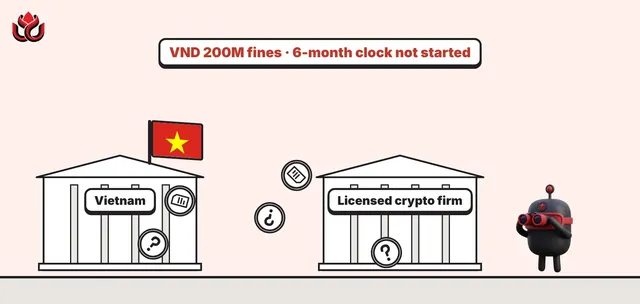
Vietnam crypto law explained: 5 licenses, VND 200M fines and a 6-month clock
Crypto is legally defined in Vietnam, and a five-year pilot lets up to five licensed local firms run crypto markets. As of the latest official update on October 6, 2026, no provider had been licensed, so the six-month countdown for investors using unlicensed platforms has not started.
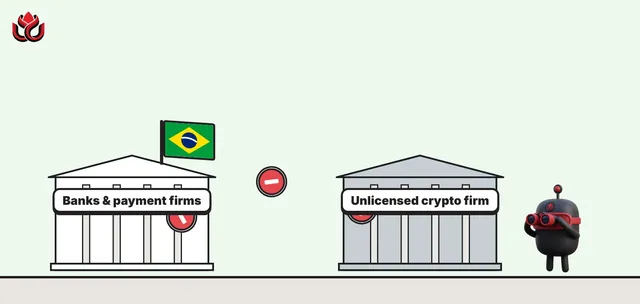
Brazil's crypto license deadline has passed. From November 6, banks must drop unlicensed firms
Crypto firms already operating in Brazil had until October 30, 2026, to file for central bank authorization. From November 6, banks and payment firms may no longer deal with unauthorized providers, and late filers get 30 days at most.
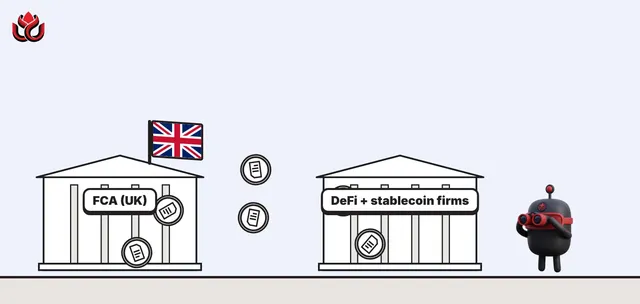
Code is not a shield: the FCA's draft crypto map covers DeFi, comments due November 18
The UK regulator wants views by November 18, 2026, on draft guidance about when DeFi, stablecoin payments, market making and tech services need a license. Using smart contracts does not settle the question on its own.
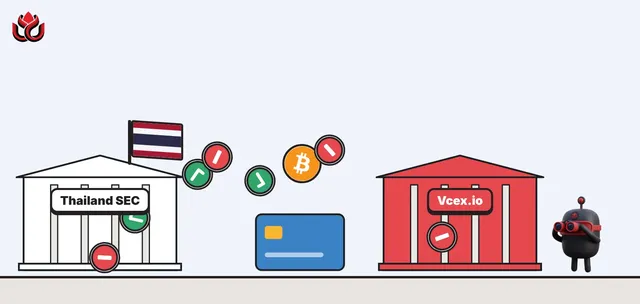
Thailand's SEC: 11 crypto ETF rules, then a block on Vcex.io from November 7
In three October days, Thailand's Securities and Exchange Commission set rules for local Bitcoin and Ethereum ETFs, filed a criminal complaint over the unlicensed Vcex.io exchange and said access to it will be blocked from November 7. The message: use the licensed route or be shut out.
UK crypto firms have until February 28 to apply. The FCA says no license is automatic
Every crypto firm that wants to keep serving UK customers after October 25, 2027, now needs full FCA authorization. The window opened on September 30, 2026, and firms that miss its February 28 close risk losing the right to sign up new customers.