

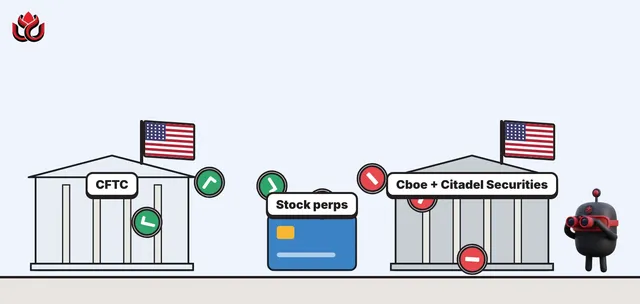
The CFTC cleared perpetual futures on US stocks. Cboe and Citadel filed legal action that day
On November 3, CFTC Chairman Michael Selig said perpetual futures on single US stocks can trade on CFTC-registered exchanges for the first time. The same day, Cboe, Citadel Securities and Healthy Markets Association took legal action to stop it.
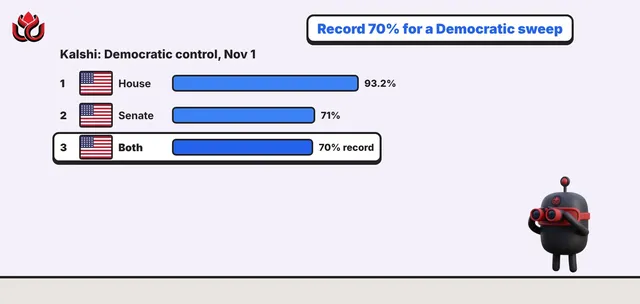
Kalshi prices a Democratic sweep at a record 70%. Did a fake pollster move the odds?
Two days before the November 3 vote, Kalshi's market priced Democrats winning both chambers at 70%, up more than 9 points in a month. Ten days earlier, Kalshi had to explain why a fabricated pollster barely moved its election markets.
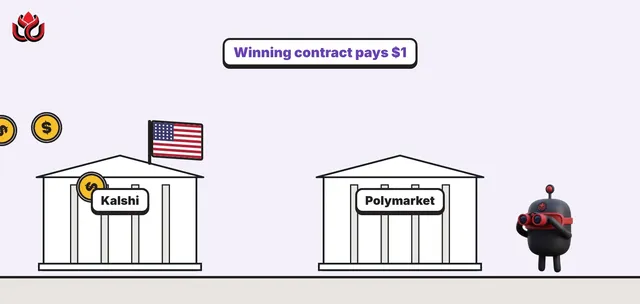
Prediction markets explained: how Kalshi and Polymarket work, and the real risks
A prediction market lets people trade contracts that pay $1 if an event happens and $0 if it does not, so prices read like odds. Kalshi is a CFTC-regulated US exchange; most Polymarket markets settle on chain through the UMA oracle.
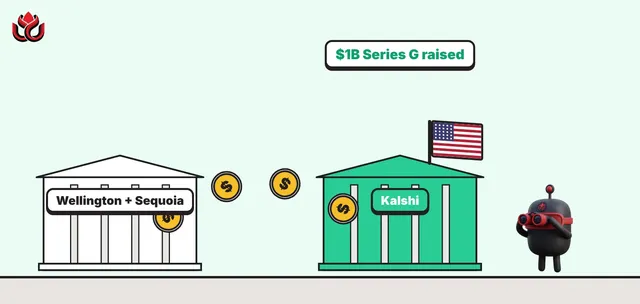
Kalshi raises $1 billion at a $40 billion valuation. Can it outrun the states?
The prediction market says it now runs at more than $1 trillion in annualized volume and wants to sell perps, indices and compute markets. Two days earlier, its federal regulator sued Utah to stop the state from shutting such markets down.
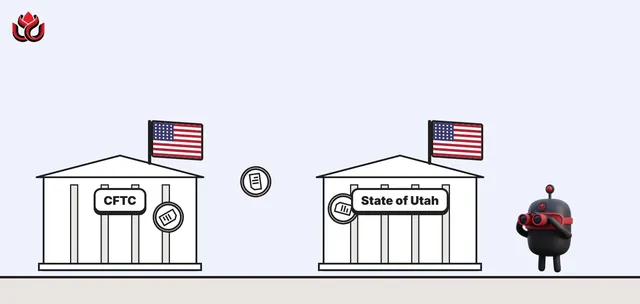
Washington sues Utah: the CFTC's 10th state fight over prediction markets
The US derivatives regulator went to court to stop Utah from shutting down federally registered prediction markets under state law. It is already fighting nine other states, and the outcome decides whether these markets are one national product or 50 local ones.

Kalshi signed the NBA and S&P Dow Jones, then capped under-21 deposits at $2,500 a month
In five days, Kalshi became the NBA's preferred prediction market, agreed to build event-contract indexes with S&P Dow Jones Indices, launched sector data contracts and put a monthly deposit cap on its youngest traders. Then it raised $1 billion.