


Bitcoin Core discloses 3 bugs fixed in 2025. The worst could stop a node building blocks
Bitcoin Core published three security advisories on November 10, one rated high. All were fixed in releases from October 2025, and the advisories describe no theft of coins.
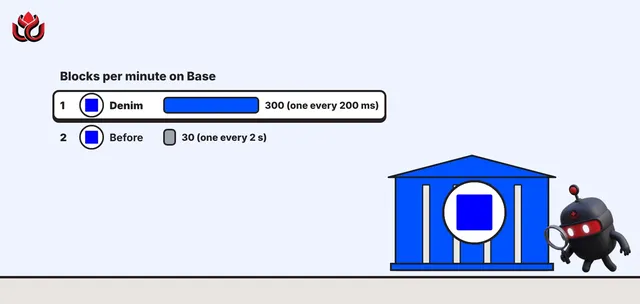
Base now aims for five blocks a second. What does the Denim upgrade break for apps?
Base's Denim upgrade was set to switch mainnet from one block every 2 seconds to one every 200 milliseconds on November 5. Anything that counts blocks to measure time now runs 10 times faster.
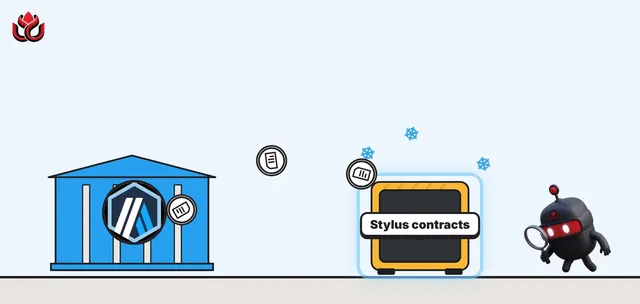
Arbitrum vote could unfreeze Stylus Rust contracts, but each needs an audit and sign-off
New Stylus contracts on Arbitrum have been frozen since October 2 over fears of AI-assisted attacks. A DAO poll closing November 5 weighs a way back: every new program would need an auditor's pass and an Arbitrum Foundation signature.
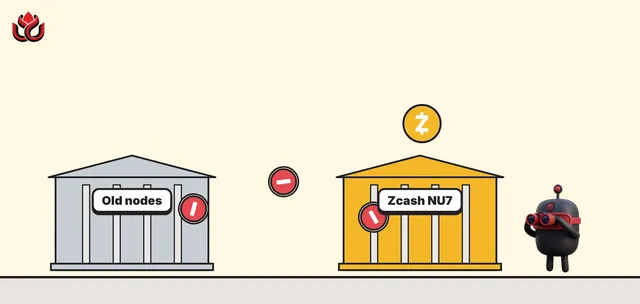
Zcash NU7 makes blocks 3x faster around November 5. Old nodes will split off
Zcash's NU7 hard fork activates at block 3,543,405, expected around November 5, 2026. It cuts block time from 75 to 25 seconds without changing supply, sends 60% of fees to a reserve and invalidates version 4 transactions. Nodes that do not upgrade split off.
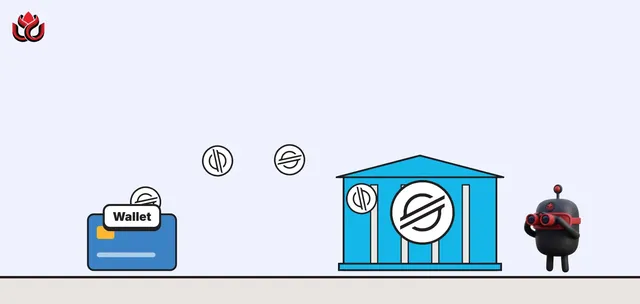
Stellar votes on Bell November 3: wallets must learn a new "W" address
Stellar's Protocol 30 upgrade, Bell, faces a testnet validator vote on November 3 and a mainnet vote on November 23, 2026. It adds a new "W" address, post-quantum signature checks for smart contracts and millisecond ledger timing, and Stellar says apps must update their SDKs.
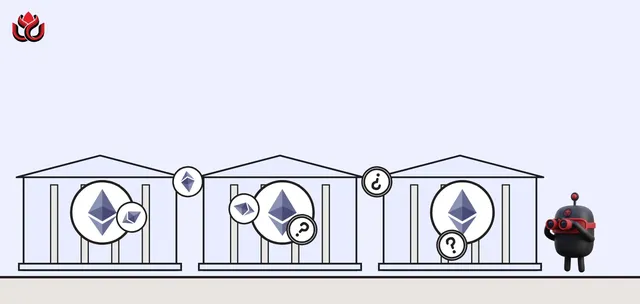
Ethereum roadmap explained: Pectra, Fusaka and why Glamsterdam has no date
Ethereum upgrades through named hard forks. Pectra went live on May 7, 2025, and Fusaka on December 3, 2025. Glamsterdam, the next one, is live on the Sepolia testnet but was pulled from Hoodi in October 2026, and as of November 2, 2026, it has no mainnet date.
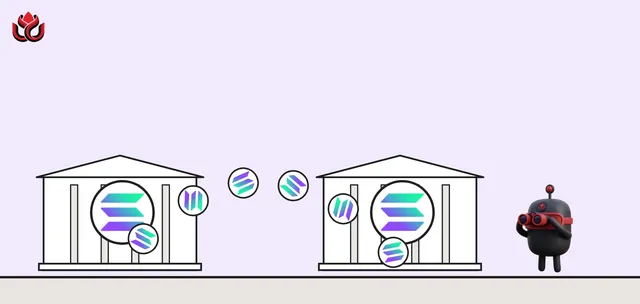
What is Solana? Alpenglow explained, from 12.8-second finality to a 150 ms goal
Alpenglow is Solana's new consensus protocol. Its first part, Votor, went live on mainnet on October 21, 2026, replacing TowerBFT and cutting the time for a transaction to become final from about 12.8 seconds to a target of about 150 milliseconds.
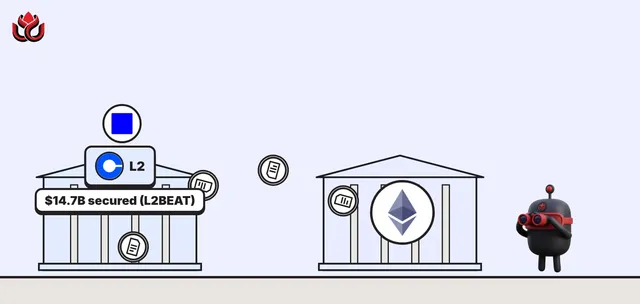
What is Base? How Coinbase's $14.7B layer 2 works and who can change it
Base is an Ethereum layer 2, an optimistic rollup built with the OP Stack, and the biggest by value: about $14.7 billion secured as of November 2, 2026, per L2BEAT. It runs transactions cheaply, posts the data to Ethereum, and a Coinbase multisig holds one of its two upgrade keys.
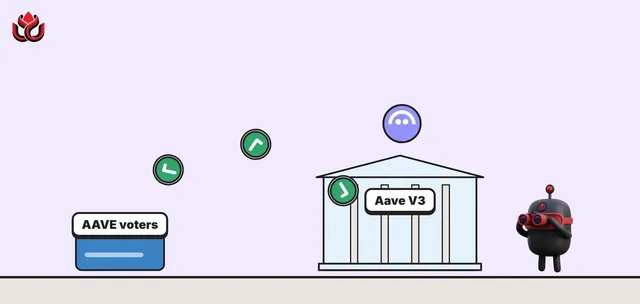
Aave V3.8 vote: 381,439 AAVE for, zero against, a new lock on 15 networks
Aave Labs wants a reentrancy guard on every active Aave V3 market, built so flash loans and liquidations still work. AAVE holders backed it with zero AAVE against in a Snapshot vote that closed October 31; audits come before the final onchain step.
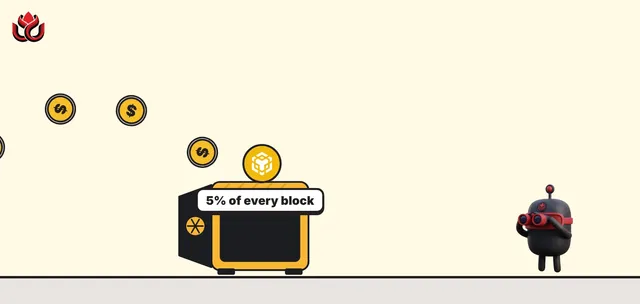
BNB Chain's Jenner hard fork walls off 5% of every block for payments. Who gets in?
Jenner went live on the BSC testnet on October 28, 2026. It reserves block space for payments, adds a native token standard with freeze and seizure powers, and gives smart contracts millisecond time. Mainnet has no date yet.
Solana swapped its consensus engine mid-flight: finality fell from 12.8 seconds to 150 ms
Alpenglow went live on Solana's main network on October 21, 2026, replacing the voting system the chain had run since day one. Payments now settle for good in a fraction of a second, validators pay a new fee, and the second half of the upgrade has no date.
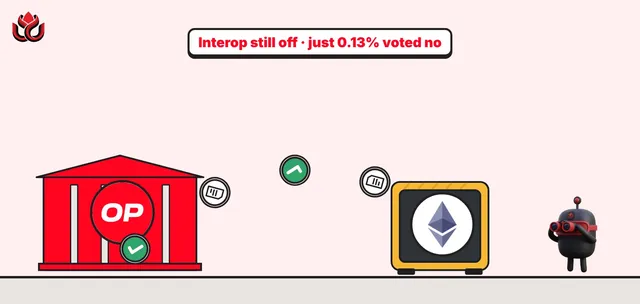
Optimism rewired fault proofs on 4 chains to prepare for interop. Just 0.13% voted no
Upgrade 20 moved OP Mainnet, Ink, Soneium and Unichain to a new dispute game format on September 24, 2026. Interop is still switched off, but the proof system it needs is now in place. Users had nothing to do; some developers and operators did.