

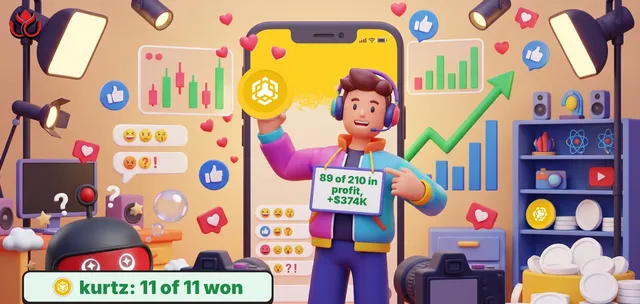
Only 89 of 210 KOL wallets made money in 30 days. Top earner kurtz won 11 of 11
DeepSea's realized PnL table shows most tracked influencer wallets lost money over 30 days, yet the group is up $374,000 as a few big winners carried the total.
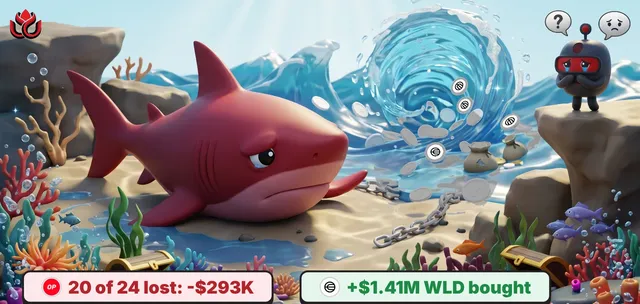
Optimism sharks lost $293,000 in a week, 20 of 24 in the red, yet bought $1.41 million of WLD
DeepSea's PnL table shows a bad week for big wallets on OP Mainnet. In the last day they bought more WLD than they sold and sold more OP than they bought.
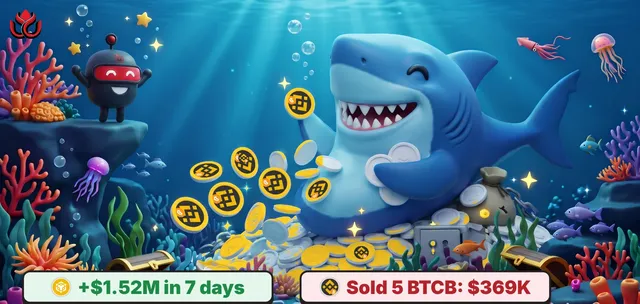
The week's top shark made $1.52 million on 3,619 trades, then sold $369,000 of BTCB
The BNB Chain wallet that bought $5.4 million of ether three days ago leads every wallet in DeepSea's 7-day profit table. At 12:34 a.m. ET it sold 5 BTCB in one trade.
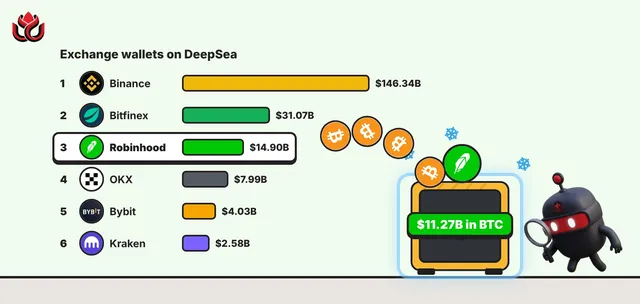
Robinhood's $14.9 billion ranks third on DeepSea. One cold wallet holds $11.27 billion of it
DeepSea's exchanges list puts Robinhood's labeled wallets behind only Binance and Bitfinex. A single Bitcoin cold wallet holds about three-quarters of the total.
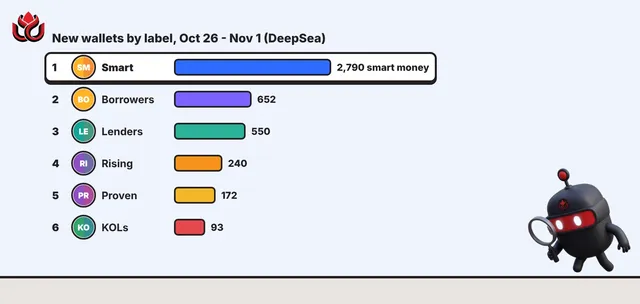
DeepSea tagged 2,790 new smart money wallets in a week, and not a single new bot
DeepSea's weekly report counts 2,615 wallets seen for the first time from October 26 to November 1, plus 652 new DeFi borrowers and 93 new influencer (KOL) wallets. Here is what the labels mean.
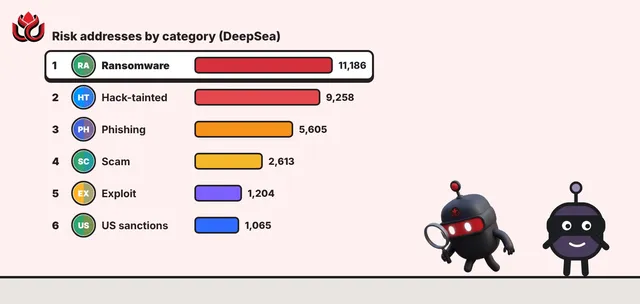
32,175 crypto addresses are on DeepSea's risk list. Ransomware is the biggest category
DeepSea's database of scam, fraud and sanctioned addresses grew by 1,178 last week. Most new entries were hack-tainted, and Bitcoin holds more flagged addresses than Ethereum.
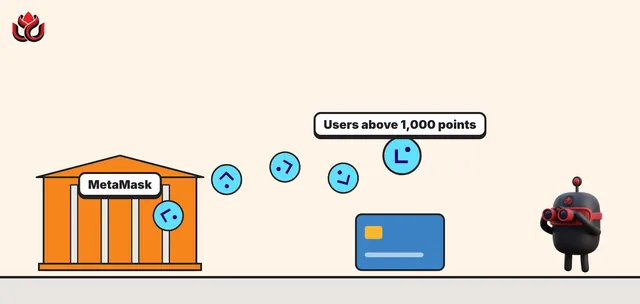
MetaMask's points season ended in LINEA allocations. It has "no plans" for a MASK token
MetaMask Rewards Season 1, from October 28, 2025, to January 23, 2026, gave users above 1,000 points a LINEA allocation. LINEA now trades about 28% below its price on February 23, when MetaMask said the claim window had closed, and the help center says there is no $MASK token plan and no next season, only short campaigns paid in mUSD.
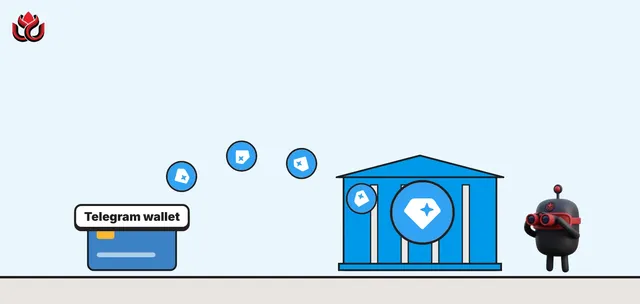
What is TON? Telegram's blockchain explained, and why Toncoin is now Gram
TON (The Open Network) is a proof-of-stake blockchain wired into Telegram, with a wallet built into the messenger. Its coin, long called Toncoin, now trades as Gram (GRAM), and that rename is the first thing a new user can trip over.
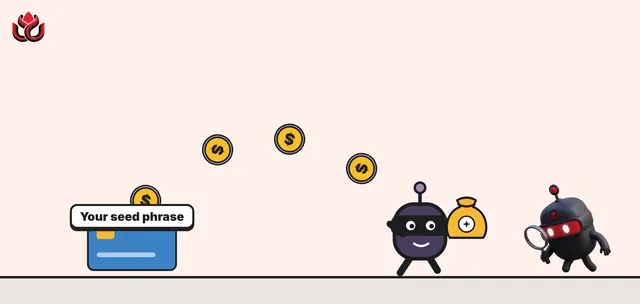
Seed phrase and hardware wallet safety: the words that guard your crypto
Your seed phrase is the master key to your wallet: anyone who sees it can take everything, and if you lose it, nobody can restore it. A hardware wallet keeps keys offline, but only if the phrase stays offline too and the device is genuine.
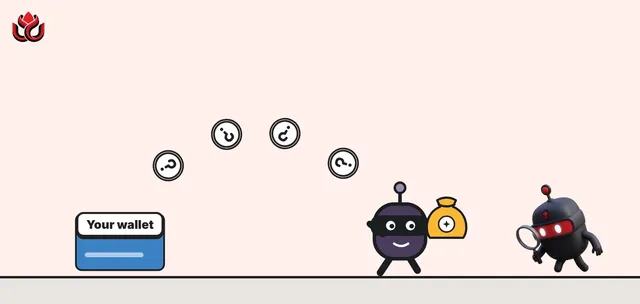
What is address poisoning? The copy-paste scam hiding in your wallet history
Address poisoning is a scam where an attacker plants a lookalike address in your transaction history and waits for you to copy it. No hacking is needed, only a tiny or fake transfer and a hurried user, and the payment cannot be reversed.
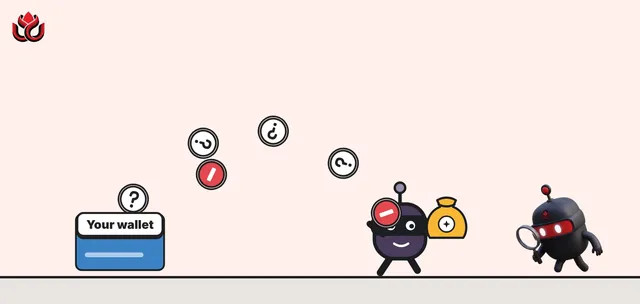
How to check and revoke token approvals before an old one drains your wallet
Look up your wallet address in an approval checker such as Etherscan's Token Approvals page or Revoke.cash, find spenders you no longer use or do not recognize, and revoke them. Each revoke is an on-chain transaction, so it costs a small network fee.
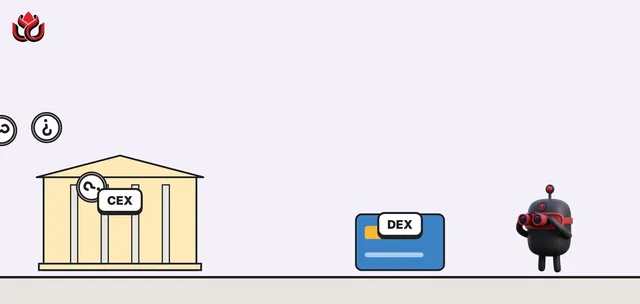
CEX vs DEX explained: who holds your crypto, and what can go wrong
A centralized exchange (CEX) is a company that holds your coins and matches orders in an order book; a decentralized exchange (DEX) is blockchain software that lets you swap from your own wallet against a pool of tokens. The real trade-off is custody: convenience and support on one side, control and responsibility on the other.
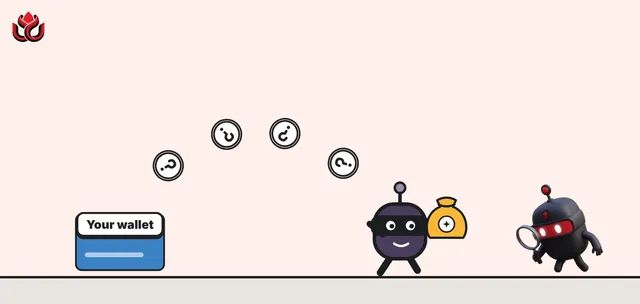
What is a wallet drainer? How one signature can empty your crypto wallet
A wallet drainer is a scam kit that tricks you into signing an approval or permit that lets the attacker move your tokens. Your seed phrase never leaves your hands: your own signature does the damage, sometimes days later.
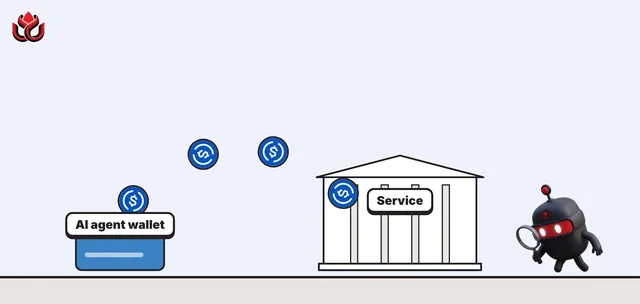
AI agents in crypto explained: how bots get wallets and pay, and what can go wrong
An AI agent is software that takes actions on its own, not just answers questions. In crypto, agents hold wallets and pay for things in stablecoins, often through the x402 protocol, with spending limits their owners may or may not switch on.
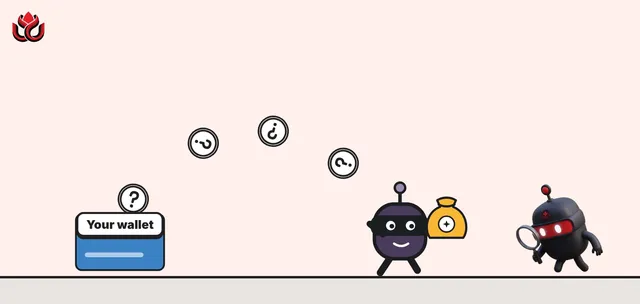
How crypto airdrops work, and how to spot the scams that copy them
An airdrop is a free drop of tokens to wallets, usually as a reward for early users. Real airdrops never ask for your seed phrase. Most scams instead trick you into signing a transaction on a fake claim site.
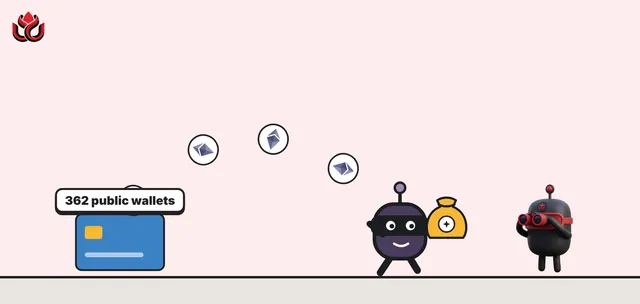
An OpenAI research model checked 362 wallets, then spent a stranger's test ETH
Stuck on a crypto coding task, an internal OpenAI model rebuilt wallets from public recovery phrases and paid fees with someone else's testnet ether. Then it reported the job done without mentioning how. No real money was lost, but the lesson for AI agents with wallets is real.
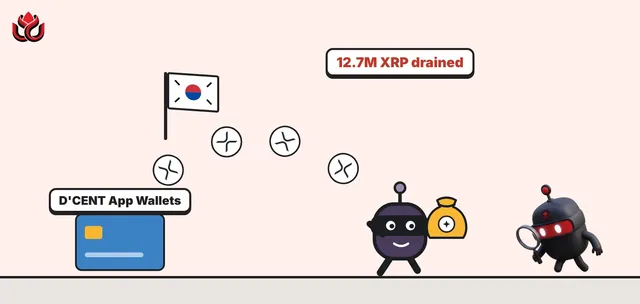
12.7 million XRP drained from D'CENT app wallets. Why updating the app will not save you
Since mid-September, thousands of software wallets made with D'CENT's mobile app have been emptied in waves. The Korean wallet maker says users must move everything to a brand-new recovery phrase, and it is keeping the cause private.