


Ether fell 14% in a week, yet 912,000 ETH is waiting in line to be staked
Ethereum's entry queue holds 3.5 times more ether than its exit queue, Validator Queue data show. SharpLink's labeled wallet staked another 128 ETH on November 12 as the price slid.
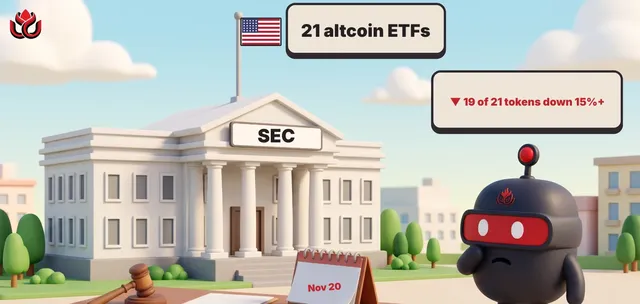
21 REX-Osprey altcoin ETFs get a new start date, November 20, after 13 months of waiting
An October 22 SEC filing pushes back the effective date for 21 planned REX-Osprey funds, from AAVE to XLM. Most of their tokens fell 15% to 38% in the past 30 days.

Grayscale's Hyperliquid ETF staked 90% of its $197 million, earning 10,341 HYPE in a quarter
The quarterly report of Grayscale Hyperliquid Staking ETF (HYPG), filed with the SEC on November 10, shows 2.22 million HYPE in the fund on September 30 and a $48.3 million quarterly gain. HYPE has since dropped about 19%.
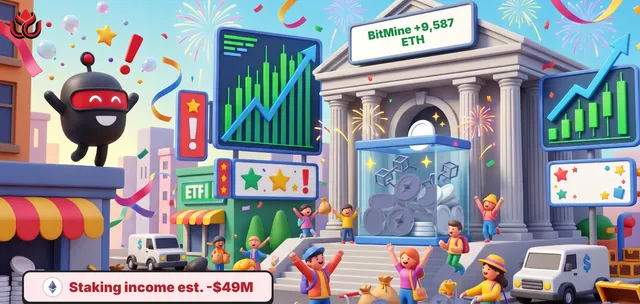
BitMine bought 9,587 more ether, but its staking income estimate fell $49 million in a week
BitMine Immersion now reports 6,070,092 ETH. It staked no new coins this week, its yield estimate slipped, and ether's drop since its count has cut about $870 million off the pile's value.
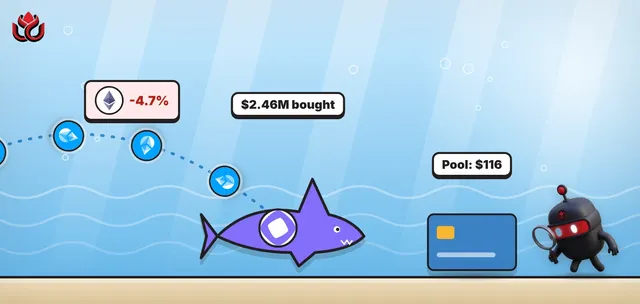
A shark bought $2.46 million of staked ether on Monad. DeepSea sees $116 of liquidity
The largest single shark buy of the last day came in three trades on ether's down day. The token's pools on Monad that DeepSea tracks hold only $116, so the buy did not run through them.
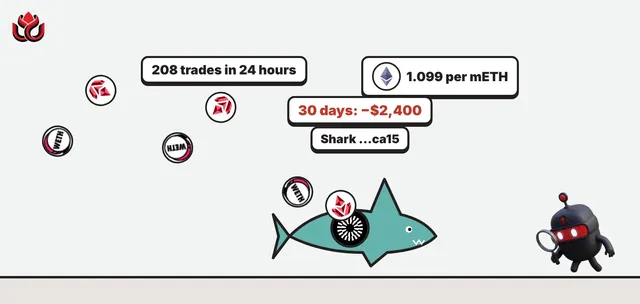
One Mantle shark swapped ether tokens 208 times in a day. Its 30-day result: minus $2,400
The wallet traded about $314,000 between WETH and Mantle's staked ether token in 24 hours. After 2,219 closed trades in 30 days, it is slightly in the red.
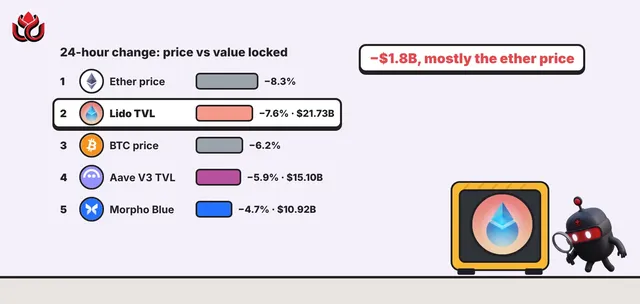
Lido lost $1.8 billion in value in a day. Did anyone actually leave?
DefiLlama shows DeFi's biggest protocols shrank 4% to 8% in 24 hours. Compared with CoinGecko prices, most of that looks like falling prices, not withdrawals.
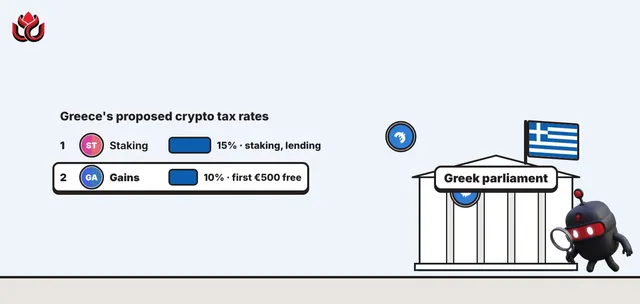
Greece puts a 10% crypto gains tax to a final vote. Staking income would pay 15%
Greece's finance minister brought a bill with dedicated crypto tax rules to a final vote in parliament on November 4. Gains up to 500 euros a year would be tax free.
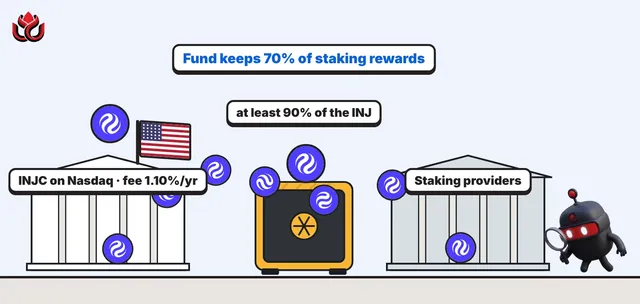
Canary's staked INJ ETF heads to Nasdaq as INJC. Fees will take up to 30% of rewards
Canary's Staked INJ ETF filed its final prospectus on November 4. The fund plans to stake most of its Injective tokens and keep 70% of the rewards. INJ rose 2.5% in a day the rest of the market fell.
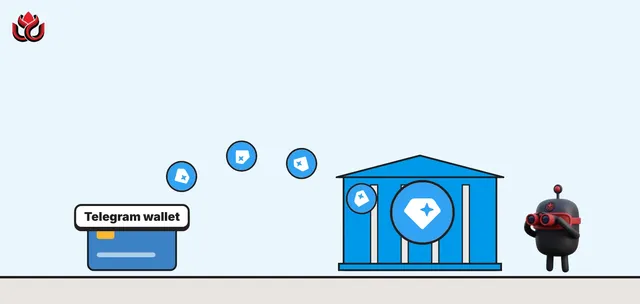
What is TON? Telegram's blockchain explained, and why Toncoin is now Gram
TON (The Open Network) is a proof-of-stake blockchain wired into Telegram, with a wallet built into the messenger. Its coin, long called Toncoin, now trades as Gram (GRAM), and that rename is the first thing a new user can trip over.
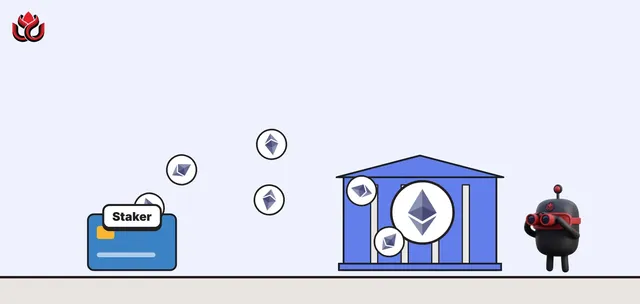
What is staking? How proof-of-stake rewards work and how you can lose money
Staking means locking tokens to help run a proof-of-stake blockchain, in return for rewards paid in that token. The stake is collateral: validators that go offline lose a little, and on Ethereum those that break the rules can be slashed.
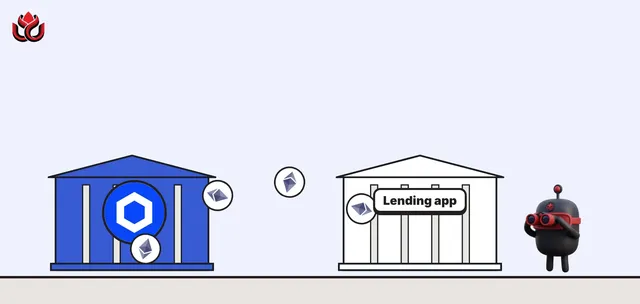
What is Chainlink? How DeFi gets its prices, plus CCIP and LINK staking
Smart contracts cannot see the outside world, so lending apps rely on oracles like Chainlink to tell them what ether is worth. Chainlink also moves tokens between chains through CCIP, and LINK pays and backs the node operators who do the work.
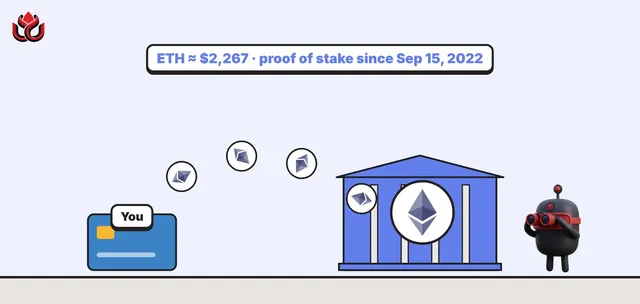
What is Ethereum? How the global computer works, what ETH does and the risks
Ethereum is a public blockchain that runs programs called smart contracts, and ether (ETH) is the coin that pays for using it and secures it through staking. It launched in July 2015, switched from mining to proof of stake on September 15, 2022, and ETH traded near $2,267 as of November 2, 2026.
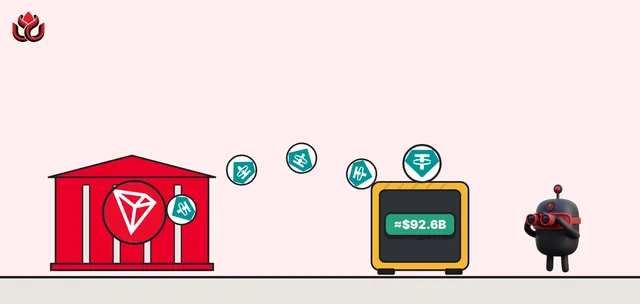
What is TRON? How the chain holding $92.6 billion of USDT really works
TRON is the blockchain where more of Tether's USDT lives than anywhere else: about $92.6 billion on November 2, 2026, per DefiLlama. Here is how its energy and bandwidth fees work, and why 27 elected block makers decide the rules.
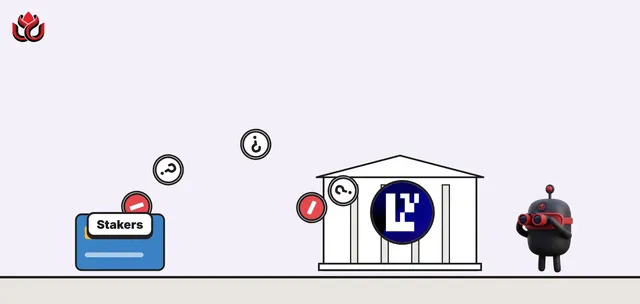
What is restaking? EigenLayer explained, from extra rewards to slashing risk
Restaking lets stakers put the same stake to work securing extra services for extra rewards. EigenLayer is the main protocol for it: stakers deposit assets, operators run the services, and those services can slash stake when rules are broken.
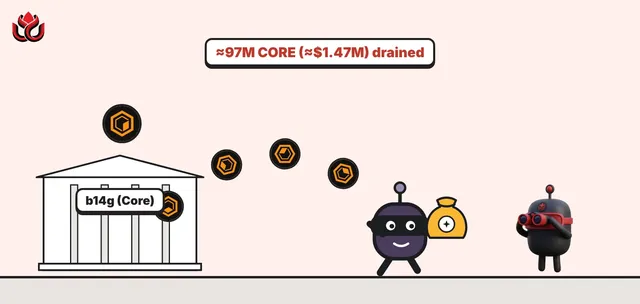
How 99 requests to withdraw zero drained 97 million CORE ($1.47 million) from b14g
A new wallet asked b14g, a Bitcoin staking app on Core, to withdraw zero tokens 99 times. Core's staking code read each one as "withdraw everything." About 70% of the coins had still not moved by that evening.