MiCA explained: the EU crypto law, CASP licenses, stablecoin rules and key dates
MiCA is the EU's rulebook for crypto: firms that offer crypto services need a license from a national regulator, and stablecoins face strict reserve and supervision rules. It has applied in full since December 30, 2024, and the last transition window closed on July 1, 2026.
Key points
- MiCA, Regulation (EU) 2023/1114, entered into force on June 29, 2023, and has applied in full since December 30, 2024.
- Crypto exchanges, brokers and custodians, called CASPs, need authorization from a national regulator. ESMA publishes an interim register of authorized firms, updated weekly.
- Stablecoins are e-money tokens or asset-referenced tokens. Large ones come under direct EBA supervision, and USDC became the first in October 2026.
- The grandfathering period for firms already operating ended on July 1, 2026, at the latest.
What is MiCA?
MiCA, short for the Markets in Crypto-Assets Regulation, is the European Union's law for crypto. Its formal name is Regulation (EU) 2023/1114. EU lawmakers reached a political deal on June 30, 2022, the law was published in the Official Journal on June 9, 2023, and it came into force on June 29, 2023, according to the European Commission.
It has applied in full since December 30, 2024, ESMA says. ESMA is the European Securities and Markets Authority, the EU's markets watchdog. Because MiCA is a regulation, the same rules apply directly in every EU country.
What does MiCA cover?
MiCA covers crypto-assets and related services that are not already covered by other EU financial laws, the Commission says. Tokens that count as shares or bonds, for example, stay under existing securities law. MiCA sorts the rest into three groups:
- E-money tokens (EMTs): stablecoins that track one official currency, such as the dollar or the euro.
- Asset-referenced tokens (ARTs): tokens that track a basket of assets or currencies.
- Other crypto-assets: everything else in scope, such as most utility tokens.
Across these groups, the law sets rules on information for holders, organizational and capital requirements for issuers and service providers, IT security, and market abuse. It also makes crypto service providers "obliged entities" under EU anti-money laundering rules. For offers to the public, the disclosure takes the form of a white paper. ESMA warns that white papers in its register "have not been reviewed or approved by any competent authority," so the issuer alone is responsible for what they say.

What is a CASP and how does licensing work?
A crypto-asset service provider, or CASP, is a firm that offers crypto services such as running a trading platform, exchanging crypto for cash or other crypto, executing orders, giving advice, managing portfolios, transferring crypto or holding it for clients. ESMA lists these services in its October 2026 opinion on stablecoins.
National regulators, called national competent authorities, authorize and supervise CASPs. ESMA collects their data in an interim MiCA register published as CSV files, including a list of authorized CASPs and a list of non-compliant entities. The register was last updated on October 30, 2026, per ESMA. Checking that list is the simplest way to see whether a firm has a MiCA license.
ESMA also coordinates supervision across countries and runs a surveillance system for suspicious crypto trading, with CASP onboarding now open.
Who enforces MiCA: ESMA, the EBA or national regulators?
Day-to-day supervision sits with national regulators, which authorize and supervise firms. EU agencies sit above them. ESMA works with the EBA, the insurance authority EIOPA and the European Central Bank on the detailed technical rules under MiCA, and pushes national regulators to apply the law in the same way, ESMA says.
ESMA also has a hands-on role in market surveillance. National regulators have delegated the collection and processing of CASPs' trading records to ESMA, which uses its MiCA Digital Assets Surveillance System, called MiDAS, to generate alerts on suspicious trading. Since December 23, 2025, white papers must be filed in a machine-readable format called iXBRL.
The Commission adopted four delegated acts on February 22, 2024, covering the criteria for when a stablecoin is significant, intervention powers, penalties and fees, it says. The EBA takes direct charge only of stablecoins classified as significant, as it did with USDC.
What are MiCA's stablecoin rules?
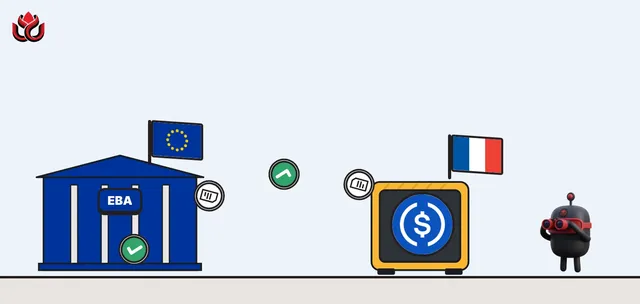
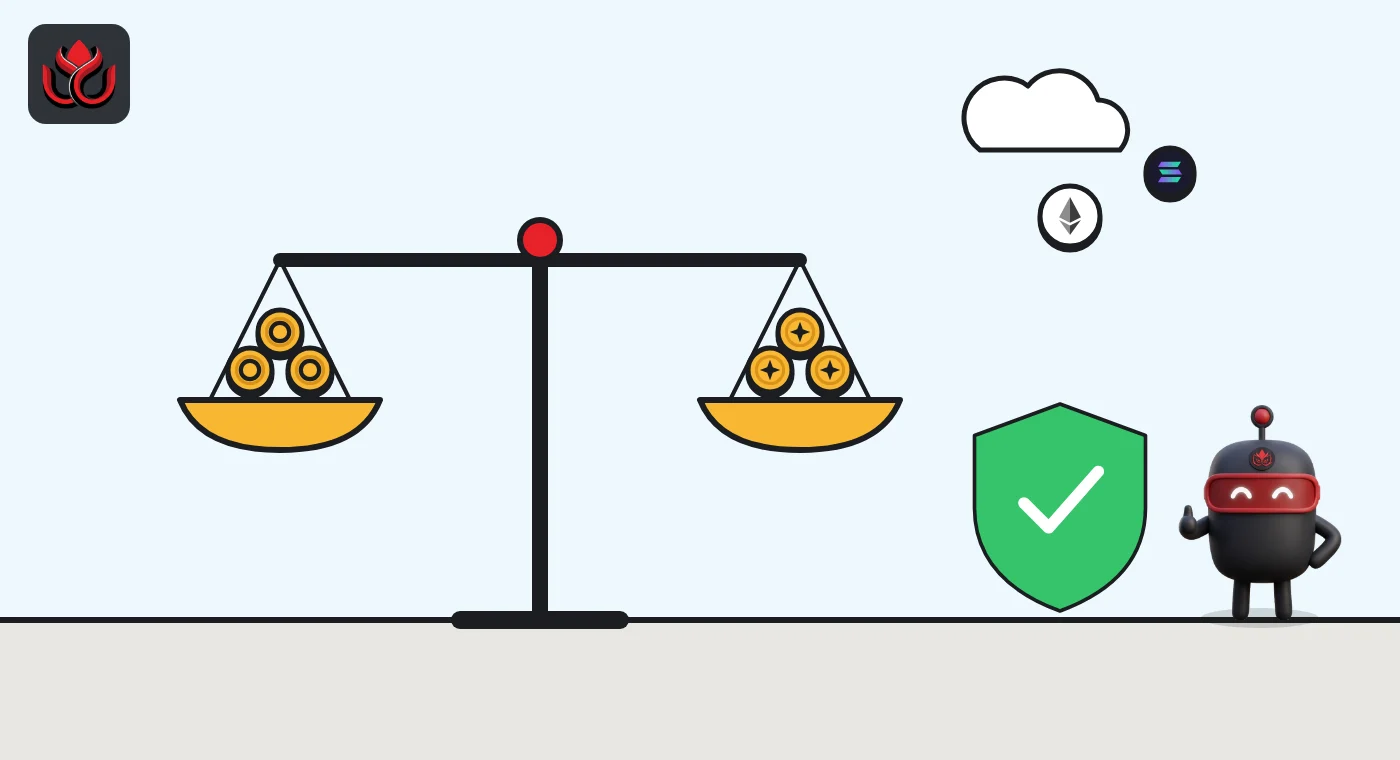
Stablecoin issuers face the strictest rules in MiCA, including reserve and redemption safeguards. When an e-money token gets big enough, the European Banking Authority (EBA) can classify it as significant. On October 14, 2026, the EBA named Circle's EU-issued USDC the first significant e-money token, out of 45 notified in the EU. From November 12, 2026, the EBA directly supervises USDC's reserves, capital, liquidity and recovery plans, while France's ACPR keeps governance checks. LC Insight covered what that changes.
MiCA also bans paying interest on stablecoins, and the European System of Central Banks wants that ban kept and widened to indirect rewards, its September 2026 response to the MiCA review says.
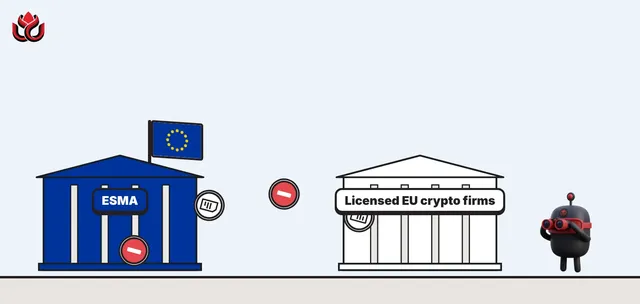
Stablecoins that do not meet MiCA face pressure too. On October 8, 2026, ESMA published an opinion saying licensed firms should stop offering services in non-compliant stablecoins, and that national regulators should require any remaining client exposures to be dealt with within three months. Read our full story on that opinion.
What were the MiCA transition dates?
MiCA let EU countries give firms already operating under national law a grandfathering period. It lasted until July 1, 2026, or until the firm's MiCA authorization was granted or refused, whichever came first, ESMA says. Countries could also offer a simplified authorization procedure. Each country chose whether to use these options, so some periods were shorter.
In practice, since July 2, 2026, a firm serving EU clients needs a MiCA license or must stop.
Timeline
Parliament and Council reach political agreement on MiCA
MiCA published in the Official Journal
MiCA enters into force
MiCA applies in full
Latest end of grandfathering for existing firms
EBA names USDC the first significant e-money token
EBA direct supervision of USDC begins
What could change in MiCA next?
The Commission is already reviewing the law. It ran two consultations on how MiCA is working from May 20 to August 31, 2026, it said, and in December 2025 it proposed a market integration and supervision package. The central banks' response raises questions about crypto lending, staking and DeFi, and about stablecoins issued jointly inside and outside the EU, the ESCB paper shows.
The central banks want the ban on stablecoin interest to reach further. Their response says it should also apply to unregulated services such as crypto borrowing, lending and staking, and warns that DeFi protocols can turn stablecoins into yield-bearing products that get around the ban. It also says e-money tokens used for settlement should not be interchangeable with tokens issued outside the EU.
For users, the practical point stays simple: check that a firm is on the authorized CASP list and that a stablecoin comes from an authorized issuer.
LC Insight analysis
This section is our reading of the facts above, not a statement of fact.
- We think MiCA's biggest effect in 2026 is on stablecoins, not exchanges. ESMA's push against non-compliant tokens and the EBA's direct supervision of USDC reward issuers that follow the rules and squeeze those that do not.
- The end of grandfathering makes the authorized CASP list the key document for EU users. Firms missing from it after July 1, 2026, are a red flag.
- The review is the wild card. If lawmakers take up the central banks' ideas on staking, lending and indirect rewards, crypto yield products in the EU could shrink further.
What's next
- EBA direct supervision of USDC from November 12, 2026
- The deadline under ESMA's opinion for clearing old positions in non-compliant stablecoins
- The Commission's MiCA review report and any legislative proposal
Frequently asked questions
Does MiCA apply to bitcoin?
MiCA covers crypto-assets not covered by other EU financial laws, so firms that trade or hold bitcoin for EU clients fall under its CASP licensing rules.
Is a MiCA white paper approved by regulators?
Not necessarily. ESMA says white papers in its register have not been reviewed or approved by any competent authority, and the issuer is solely responsible for the content.
How do I check if a crypto firm is licensed under MiCA?
ESMA publishes an interim MiCA register with a file of authorized CASPs and a file of non-compliant entities. It was last updated on October 30, 2026.
Which stablecoin is supervised by the EBA?
USDC issued by Circle's French entity was classified as the first significant e-money token on October 14, 2026, with EBA supervision of its reserves starting November 12, 2026.
Disclaimer. This article is based on public information and the sources listed below as of the update time shown. It is for information only and is not investment, legal or tax advice. Figures may change as companies and authorities publish new data.
Sources
- European Commission, Crypto-assets
- ESMA, Markets in Crypto-Assets Regulation (MiCA)
- EBA, USDC classified as first significant e-money token (October 14, 2026)
- ESMA, opinion on services related to non-MiCA-compliant stablecoins (October 8, 2026)
- ESCB, response to the Commission's targeted consultation on the MiCA review (September 2026)
- European Commission, consultations on the functioning of EU crypto-assets rules (May 20, 2026)